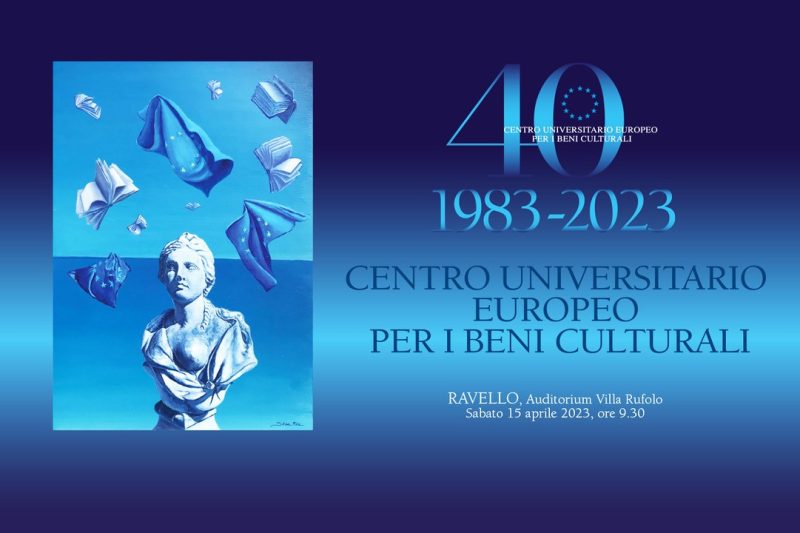
The European University Centre for Cultural Heritage (C.U.E.B.C.), founded in 1983 in Ravello, promotes interdisciplinary research and education in the field of cultural heritage. It operates internationally as a reference point for scholars, institutions, and cultural policies.
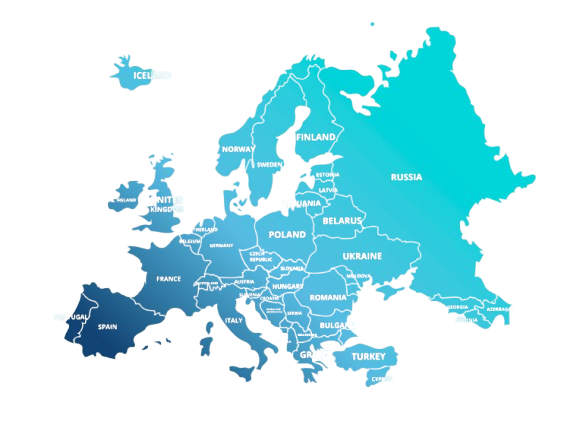
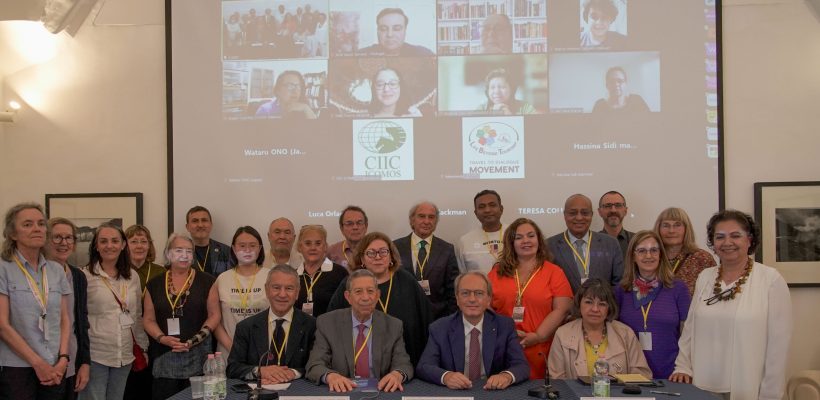
The Centre works in cooperation with the Council of Europe, the European Commission, UNESCO, ICCROM, and other prestigious international organizations. Thanks to its geographical location, it collaborates with Euro-Mediterranean cultural stakeholders and contributes to the promotion of tangible and intangible cultural heritage, including maritime and underwater heritage. The Centre’s objective is to support international efforts to make cultural heritage a cornerstone of dialogue and mutual understanding in the Euro-Mediterranean region.
Support for Cultural Policies
Providing decision-makers at various levels with guidance that goes beyond culture-driven marketing activities has become the Centre’s primary mission today, reflecting the evolution of its founding principles. In particular, the Centre is constantly engaged in transforming research into operational tools for institutions and public policymakers.
In 1984, the Ravello Declaration strongly affirmed the unity of science, culture, and heritage as the foundation of European society. It remains a timely call for interdisciplinary cooperation, the central role of education, and the living value of culture in building a more aware and supportive Europe.
Promoting culture, research, and innovation in the service of cultural heritage
The European University Centre for Cultural Heritage, founded in 1983 on the initiative of the Council of Europe and with the support of the Italian Government, is based at Villa Rufolo in Ravello. It is a centre of excellence dedicated to education, research, and the promotion of cultural heritage, recognized at both national and international levels.
Founded with an interdisciplinary vocation, the Centre fosters dialogue between the humanities and the sciences, promoting collaboration among scholars, institutions, and professionals. In addition to research activities, it also provides education and consultancy in support of cultural policies.
It works in close synergy with universities and international organizations such as the Council of Europe and UNESCO, contributing to the development of a shared culture for the protection and enhancement of heritage.
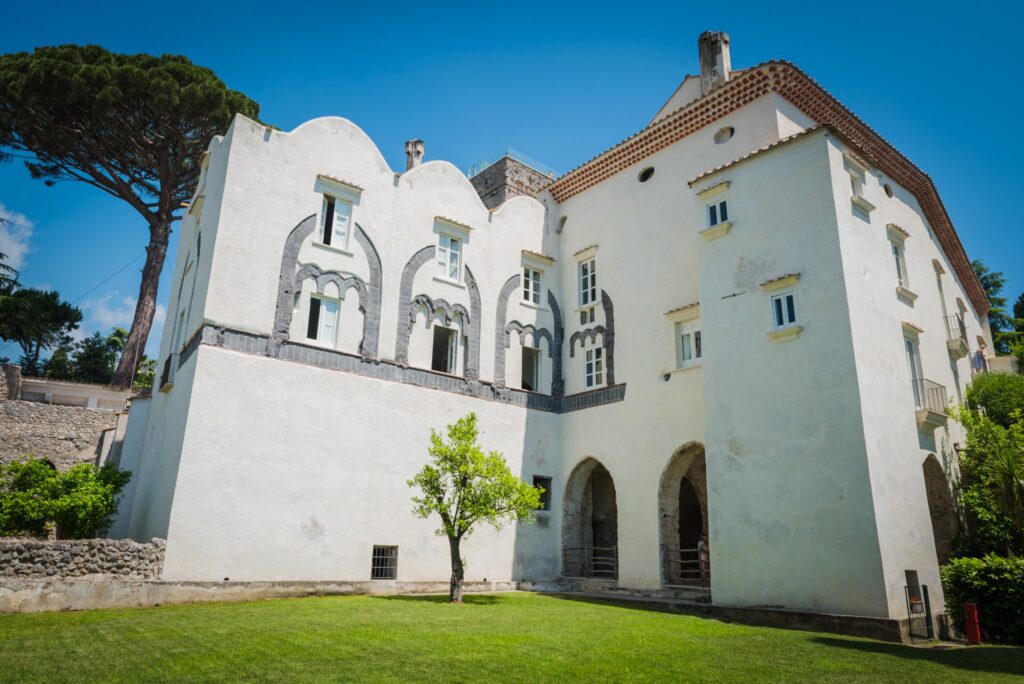
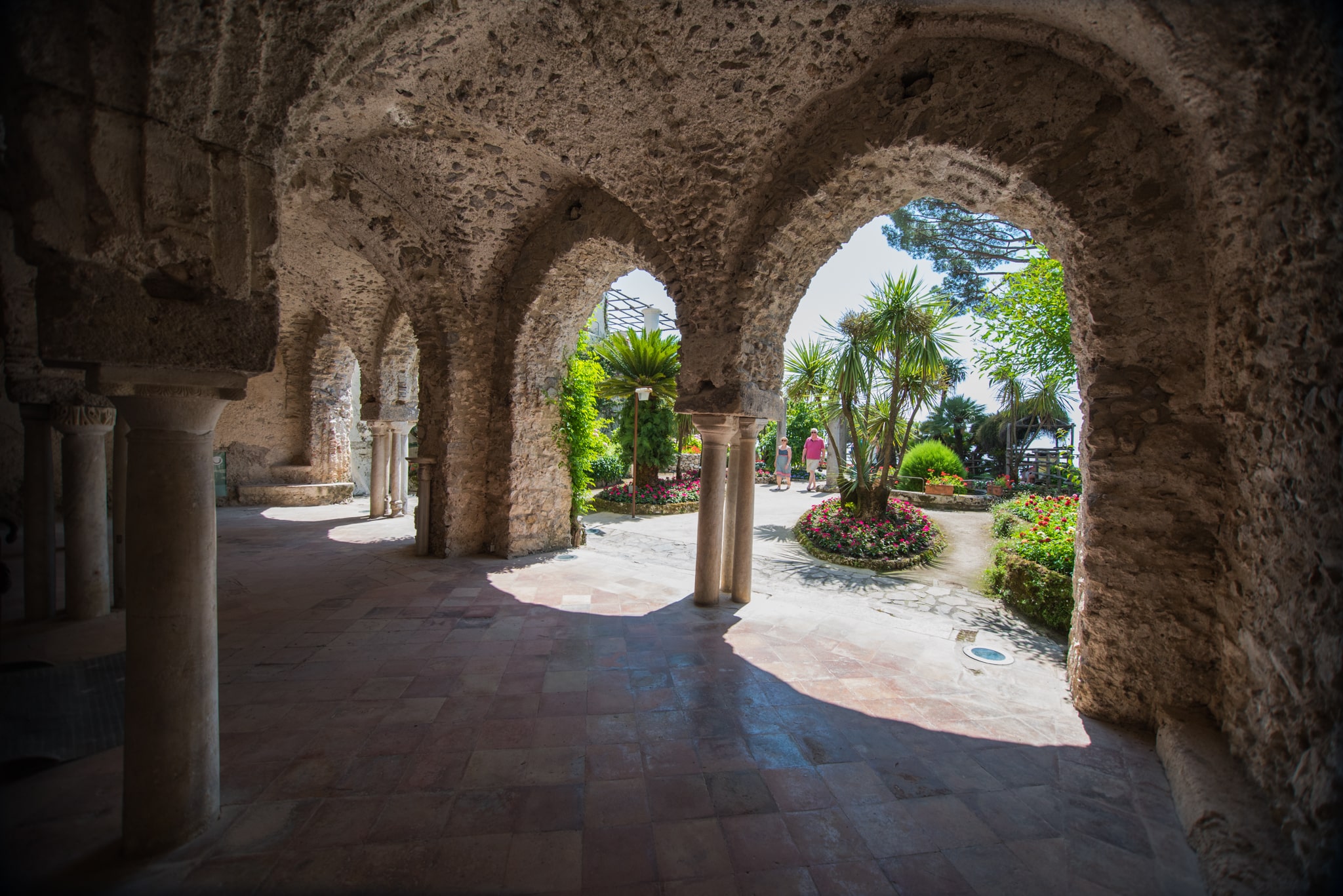
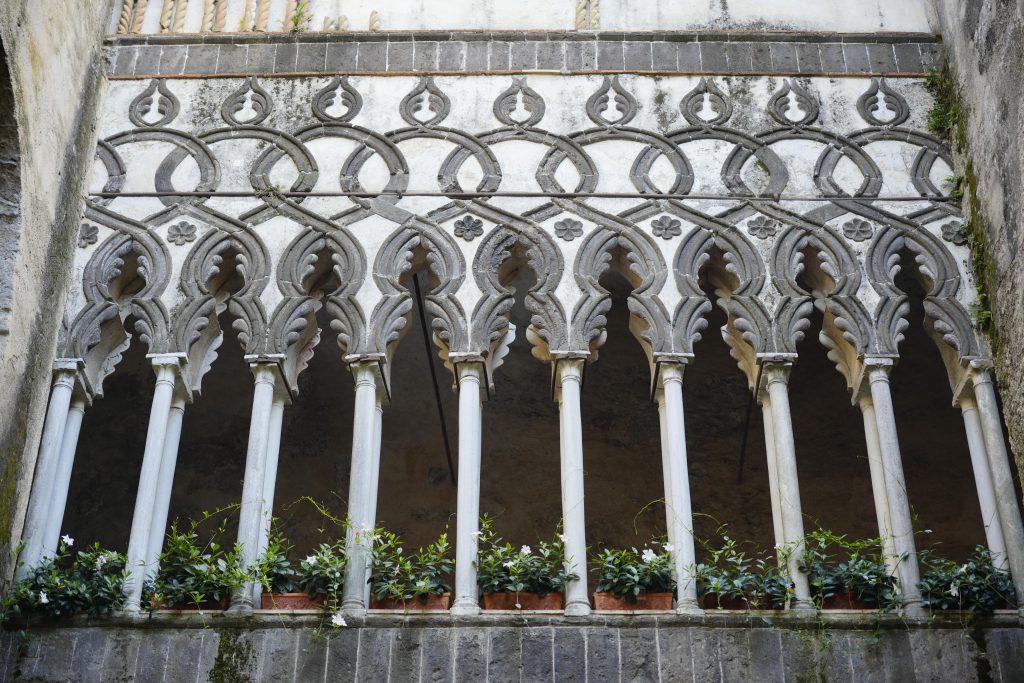
Made available on loan for use by the Fondazione Ravello , the villa offers a unique setting where history, art and research converge at the heart of Europe’s cultural heritage.
Mediterranean Sea
The headquarters
villa rufolo
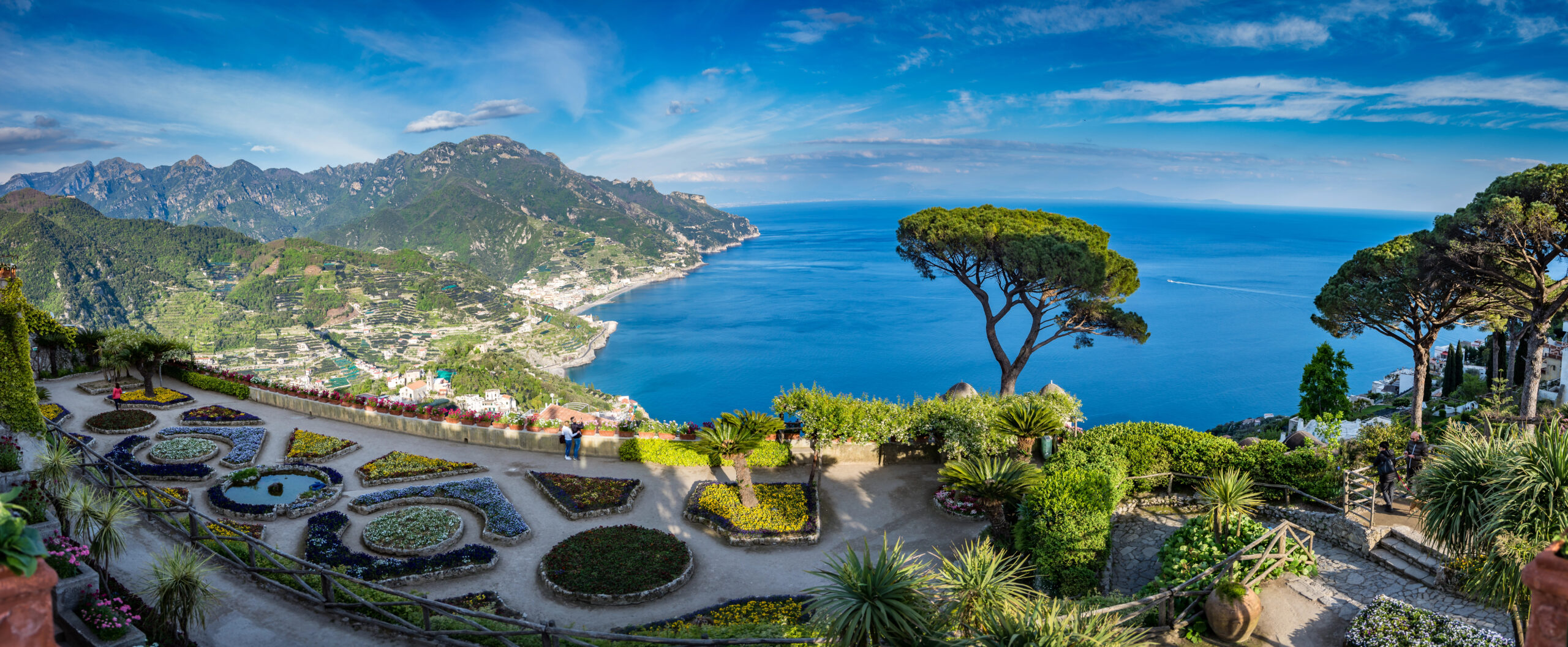
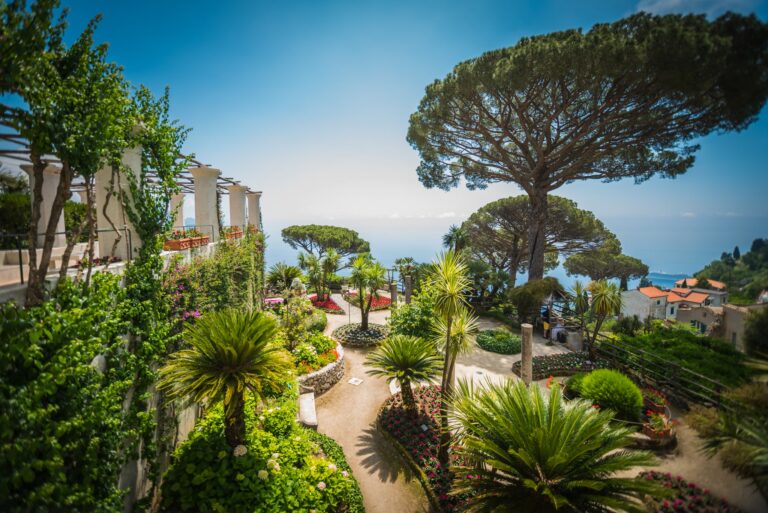
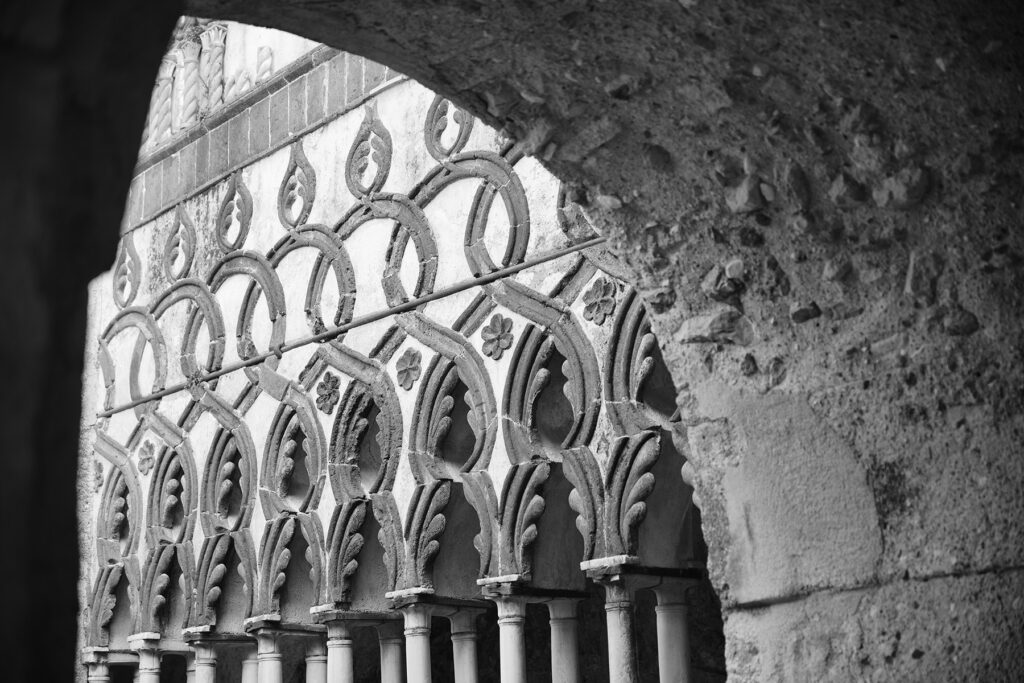
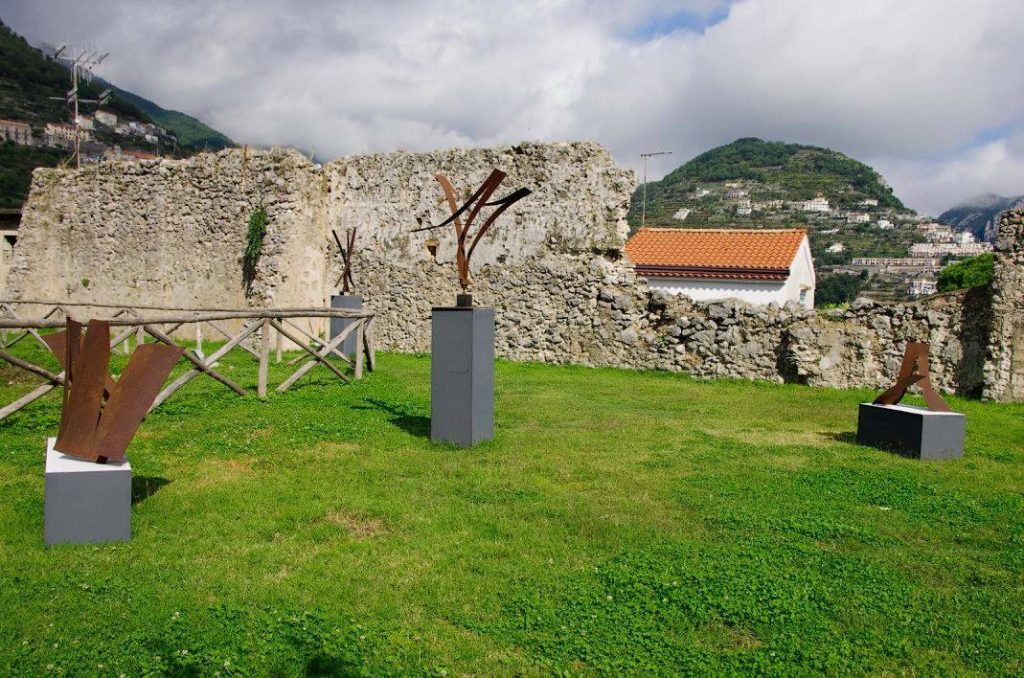
The Centre is based in Ravello at the historic Villa Rufolo, a prestigious monumental complex overlooking the Amalfi Coast.
Here, in 1880, Richard Wagner found inspiration for the enchanted garden of Klingsor in his *Parsifal*, forever sealing the bond between this place and the European musical imagination.
Thematic Areas
A multifaceted journey encompassing the understanding, enhancement, and protection of cultural heritage. Our activities unfold across three main areas.
knowledge of cultural heritage
Any “policy” of the Centre must necessarily involve dialogue and exchange that foster the circulation of knowledge regarding cultural heritage—especially in this era of rapid change. A primary and preparatory area of activity is, therefore, the one we have defined as “Knowledge of cultural heritage.”
To effectively pursue a mission of ‘cultural’ service, however, deepening knowledge of heritage is not enough; it is also necessary to transfer that knowledge to society. Not as specialized knowledge, evidently, but as a factor for strengthening cultural identities, stimulating creativity and promoting sustainable human development. Culture as a factor of development thus becomes the core sector of the Centre’s activities.
To ensure the Center’s actions are coherent and integrated, and thus cover the entire cycle of heritage and cultural activities valorization, it seems appropriate to complement its cultural heritage awareness and decision-making support activities with an in-depth study of the methodological and operational aspects of cultural policies. This objective can be achieved through a section on Cultural Policy Tools and Methods.
Much of the research activity is carried out within the framework of national, European (Erasmus, Horizon, Creative Europe, etc.) or international programmes.
Reserved for a limited number of carefully selected people, the teaching activity is structured according to an interdisciplinary approach through structured and permanent collaborations with Universities and professional associations, with the aim of both training new professional figures and acquiring university and professional training credits.
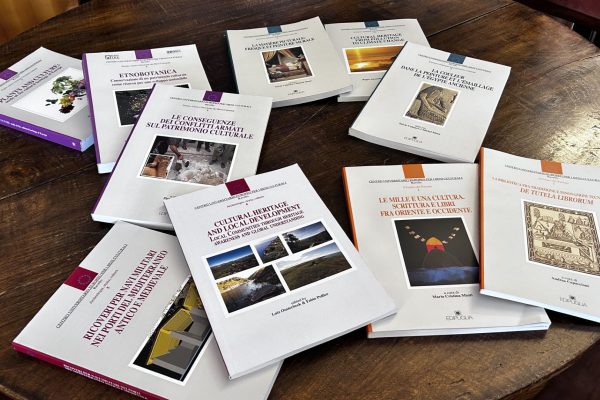
Since its inception, the European University Centre for Cultural Heritage has been actively publishing the content and results of its activities, overseeing the editing of around one hundred publications.
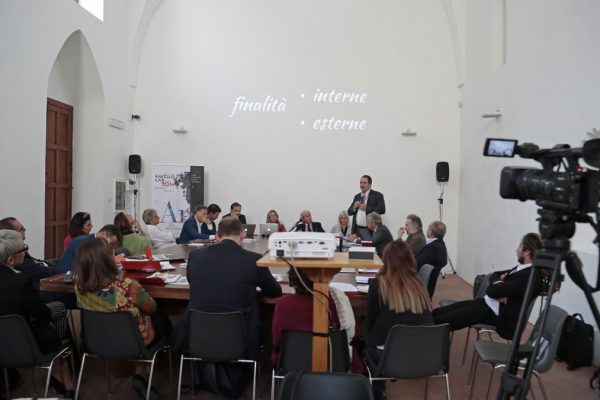
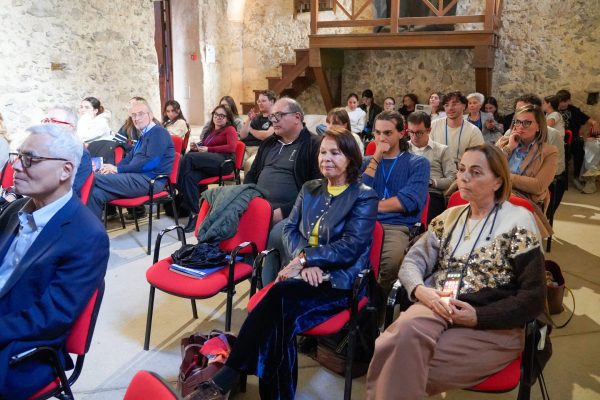
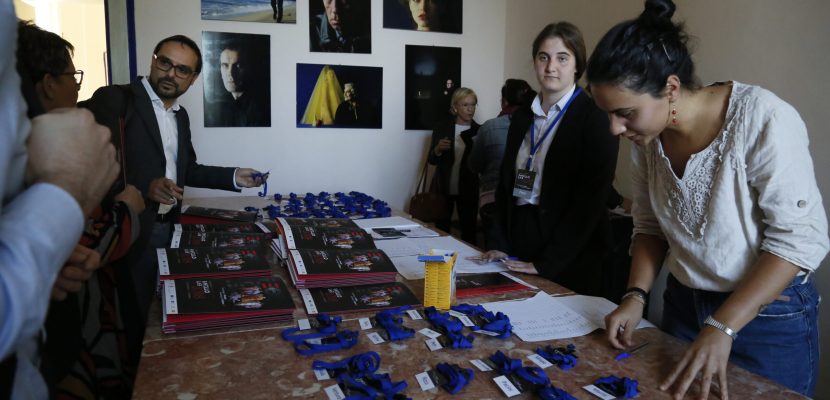
The Center has always been a privileged venue for scientific debate. Thanks to the collaboration with the Ravello Foundation (which manages Villa Rufolo) and the Municipality of Ravello (which owns the Niemeyer Auditorium), its prestigious and spectacular spaces host annual seminars and outreach events.
Some of the topics recently addressed and underway…
Recognizing beauty and identifying with it not only leads to its protection, but also encourages us to reproduce it. This is undoubtedly the mission that has always driven the Center and guided its strategies. With this goal in mind, over the years a network of public and private stakeholders has been built that extends well beyond national borders, making the Center a hub for projects, a hotbed of ideas that fuel scientific reflection, public engagement, and political debate.