Headquarters
Who we are
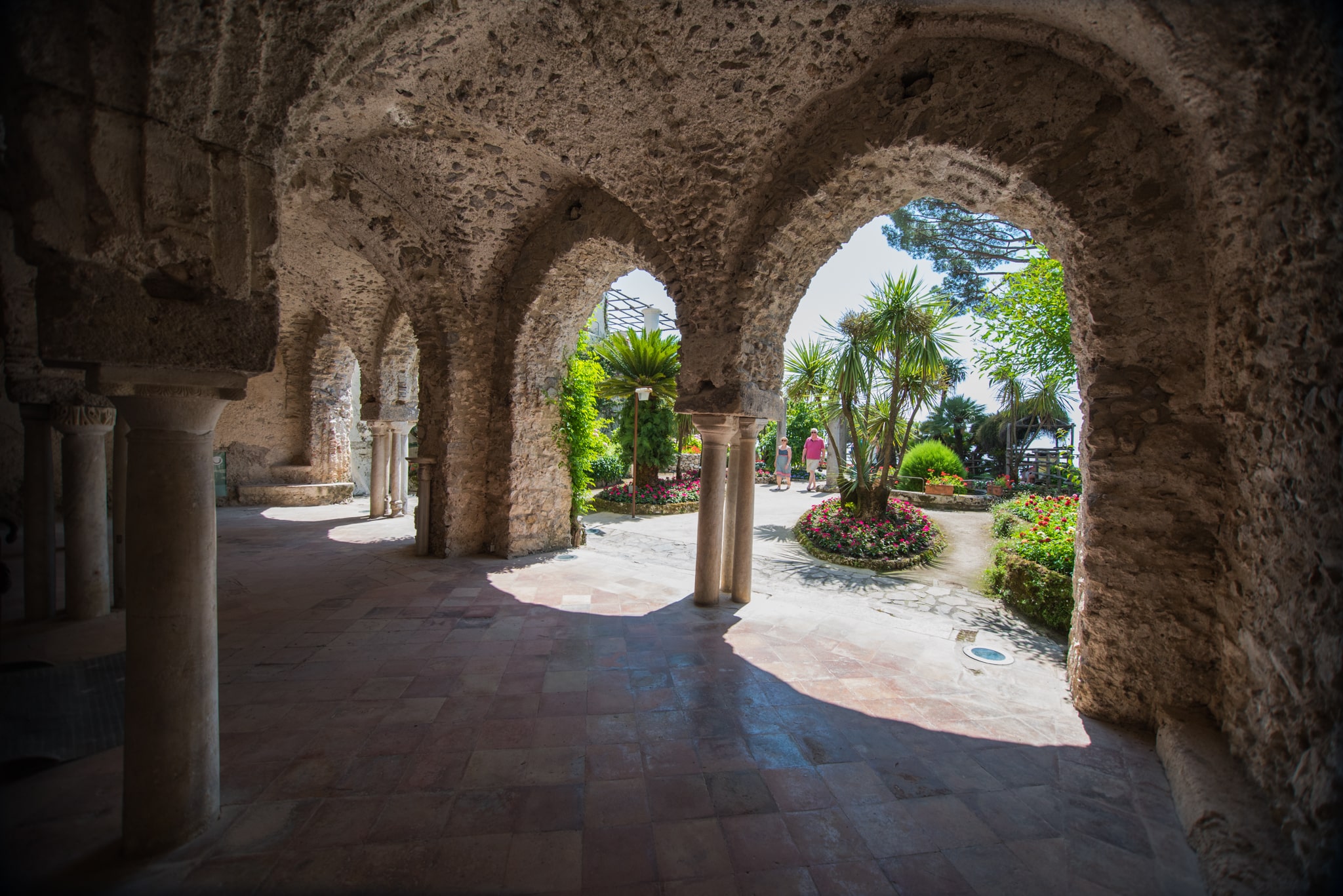
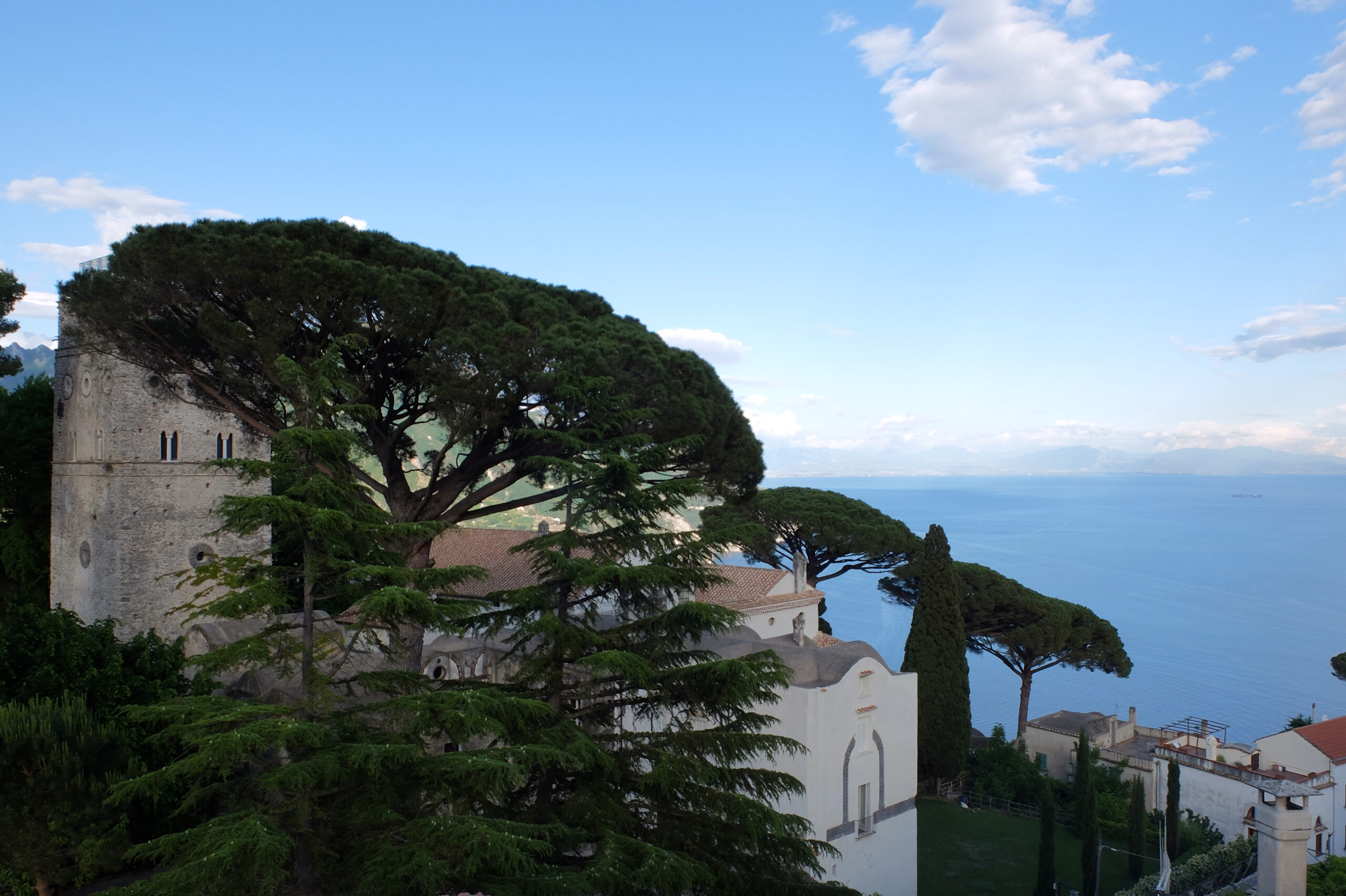
Since its founding, and thanks to the hospitality provided by the Villa’s owners (first by EPT Salerno and subsequently by Fondazione Ravello), the Centre has been located on the ground floor of Villa Rufolo, where the General Secretariat with related offices and the ongoing section of the Library are located. The original core of the Library is located in the rooms above the Moorish Cloister, granted on loan for use by the Superintendence of Cultural Heritage and Activities of Salerno in 2003.
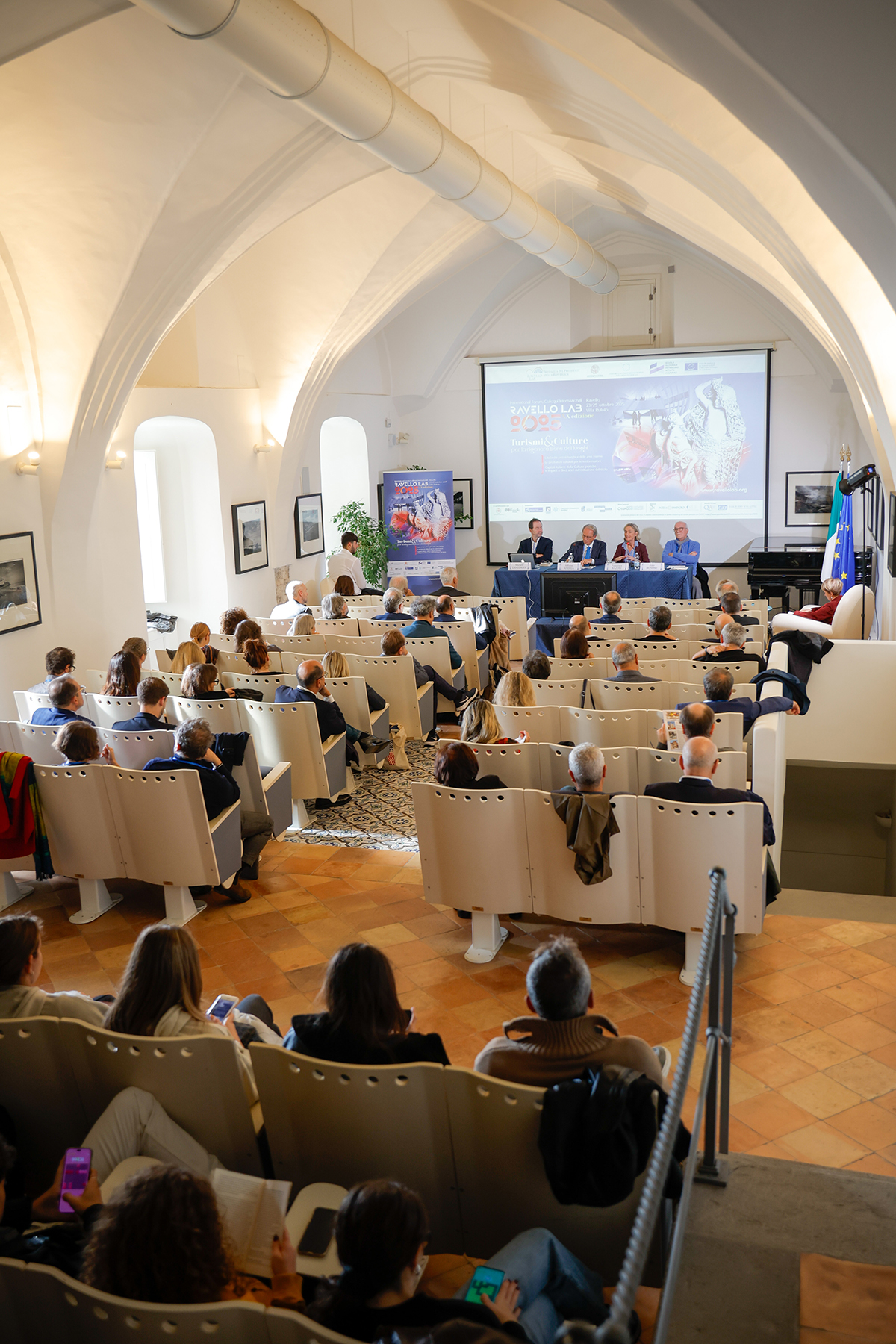
The Center’s conferences and meetings are primarily held in the Villa Rufolo Auditorium.
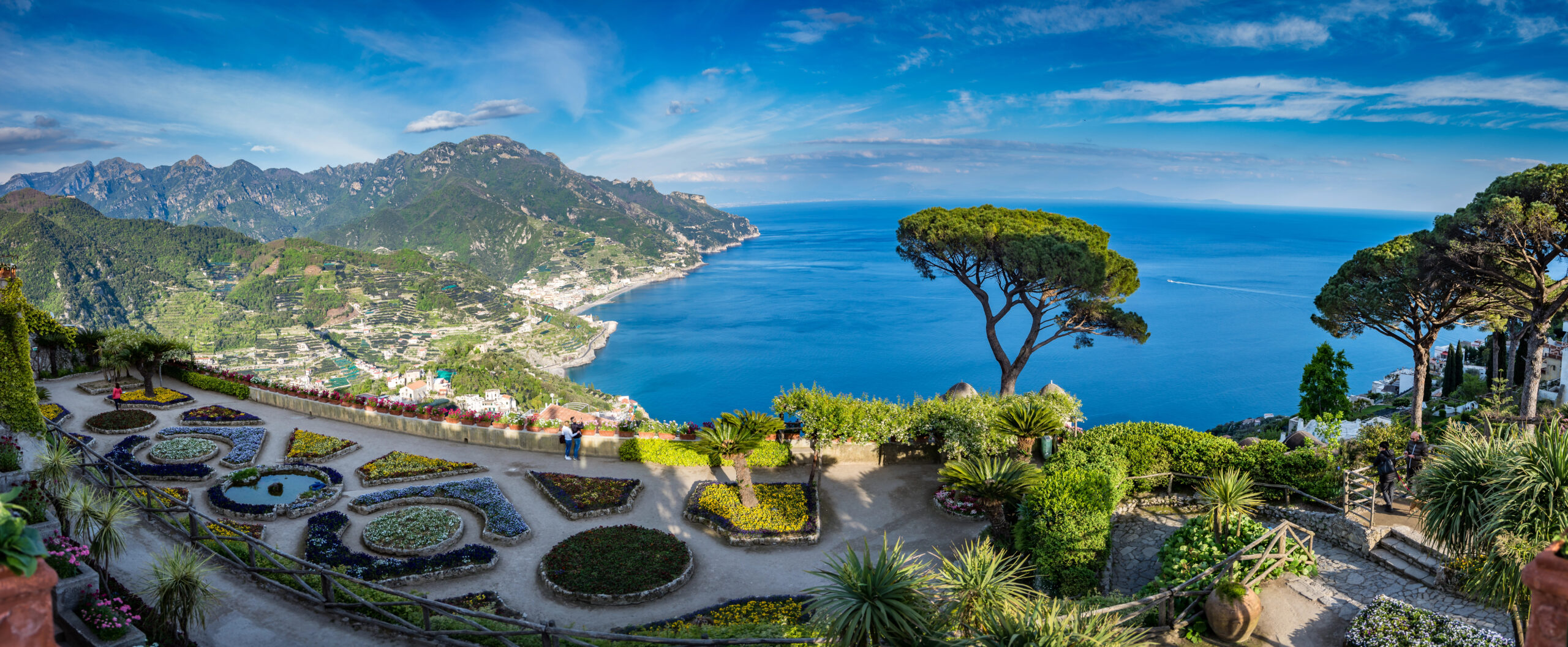
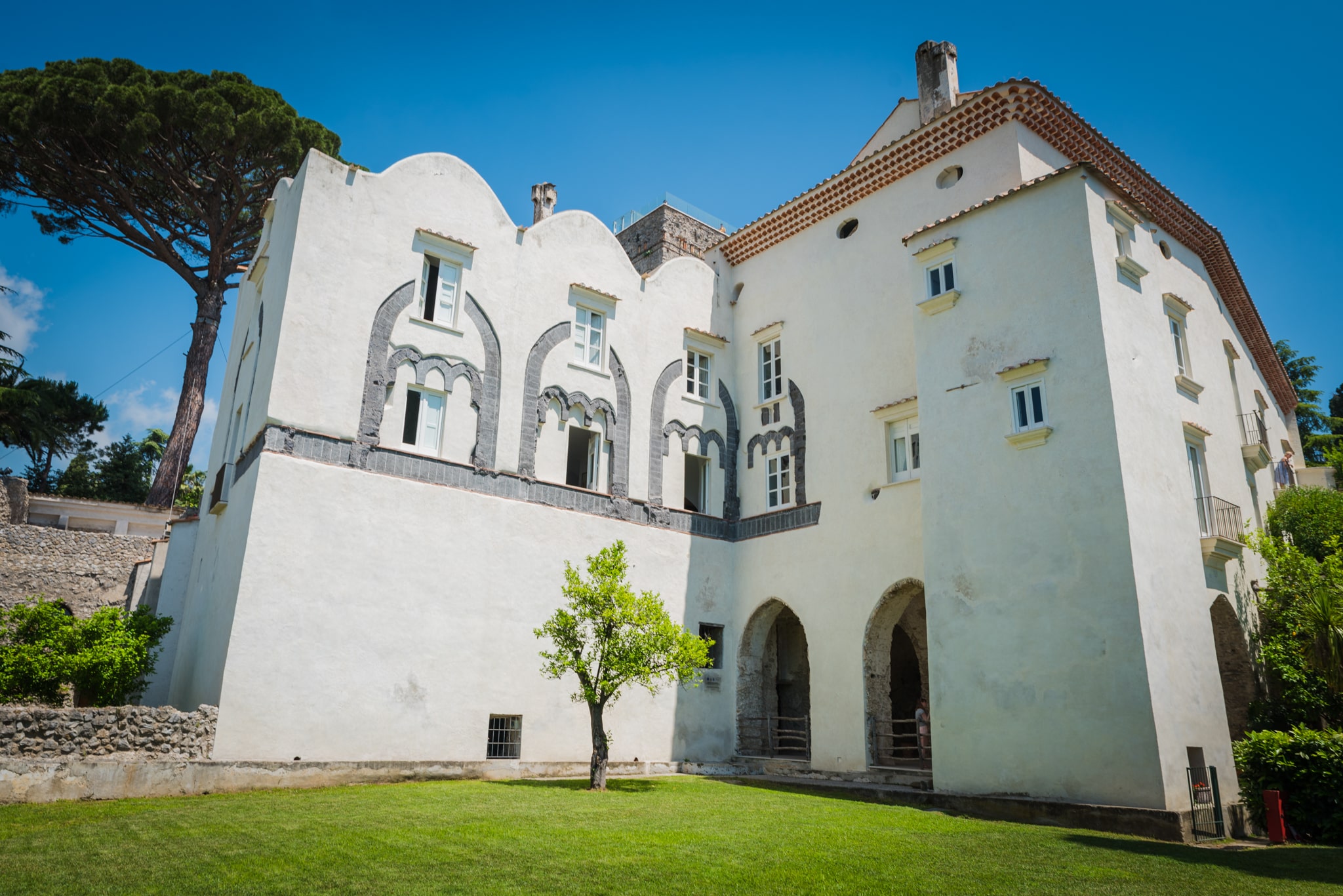
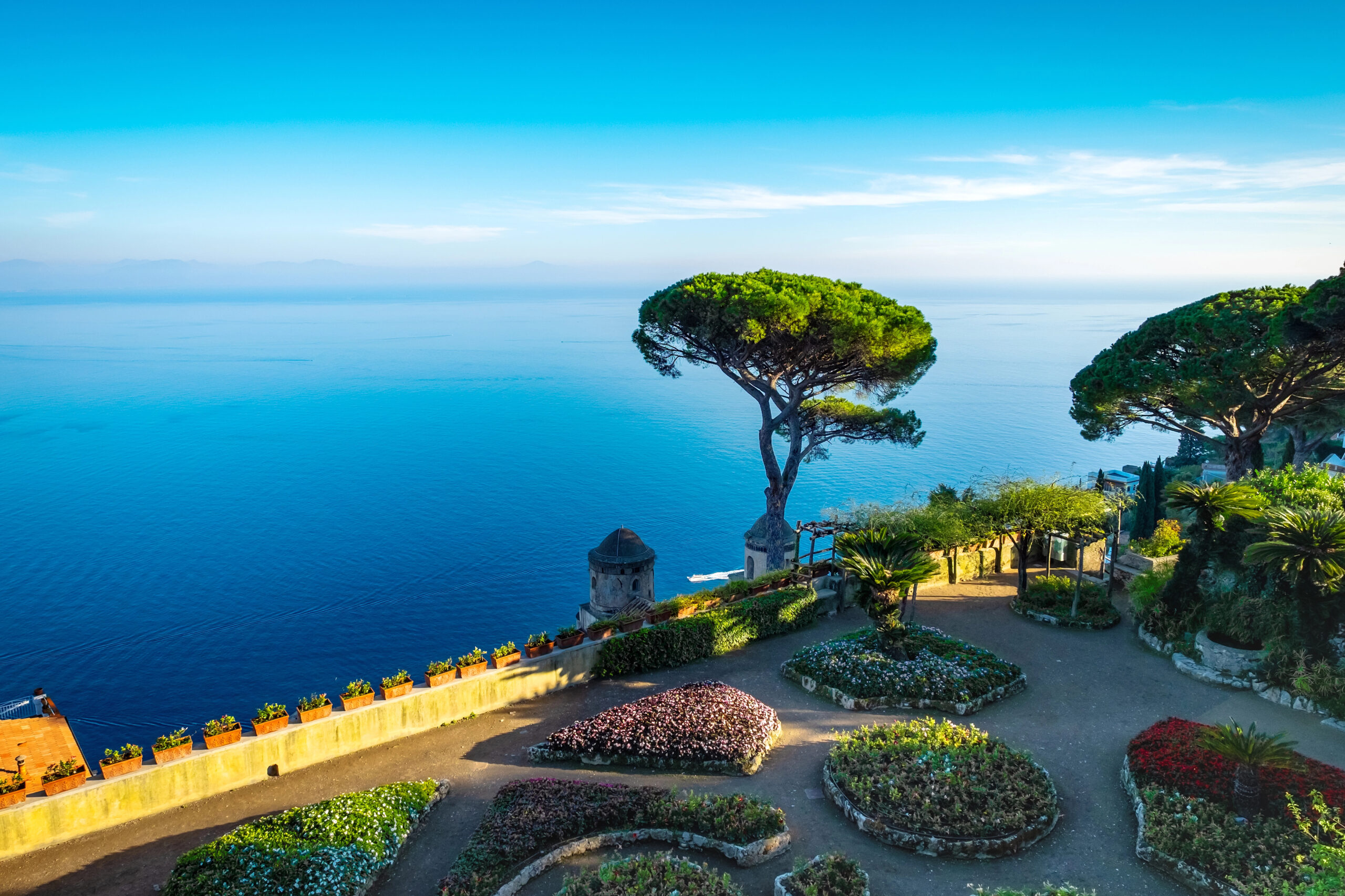
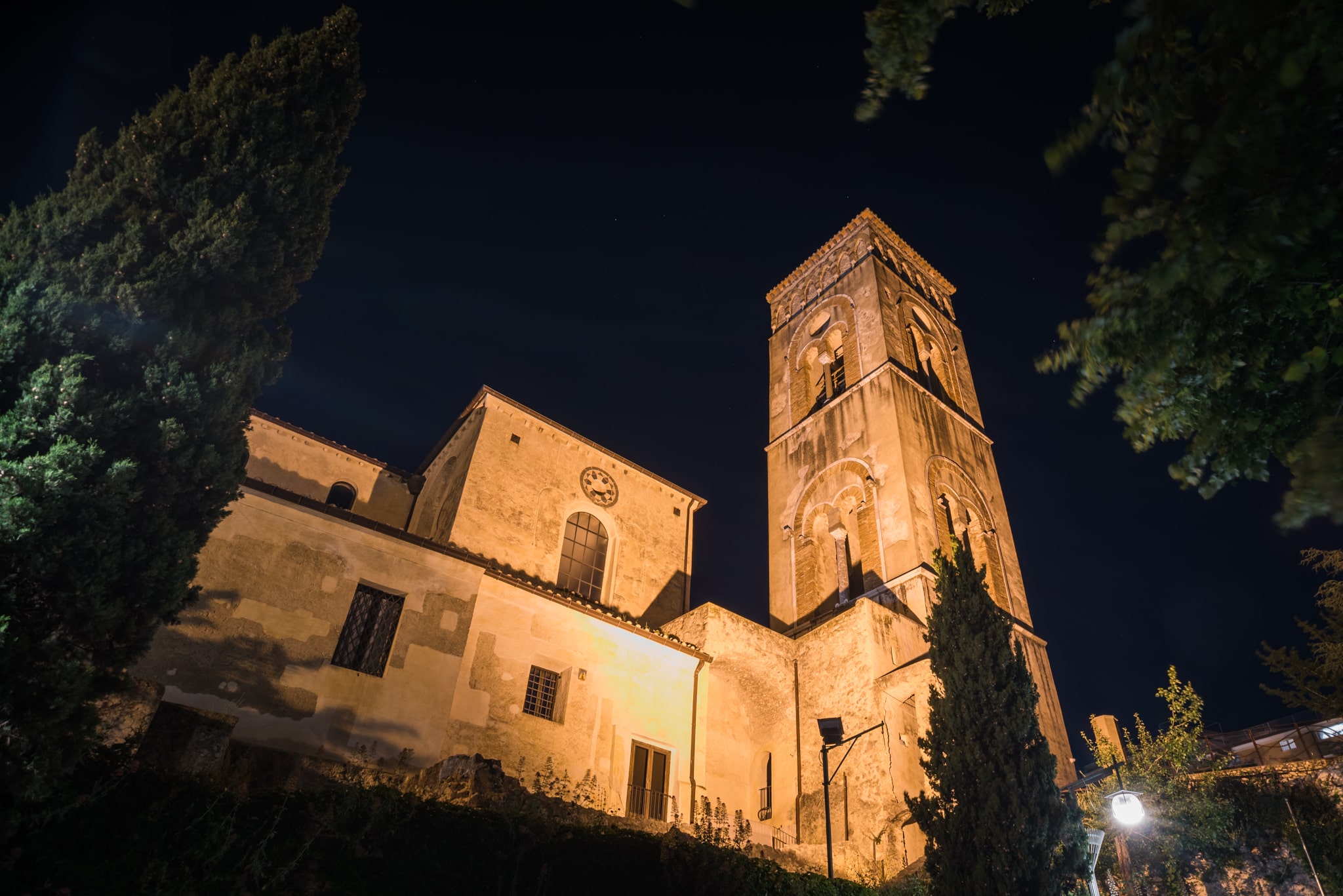
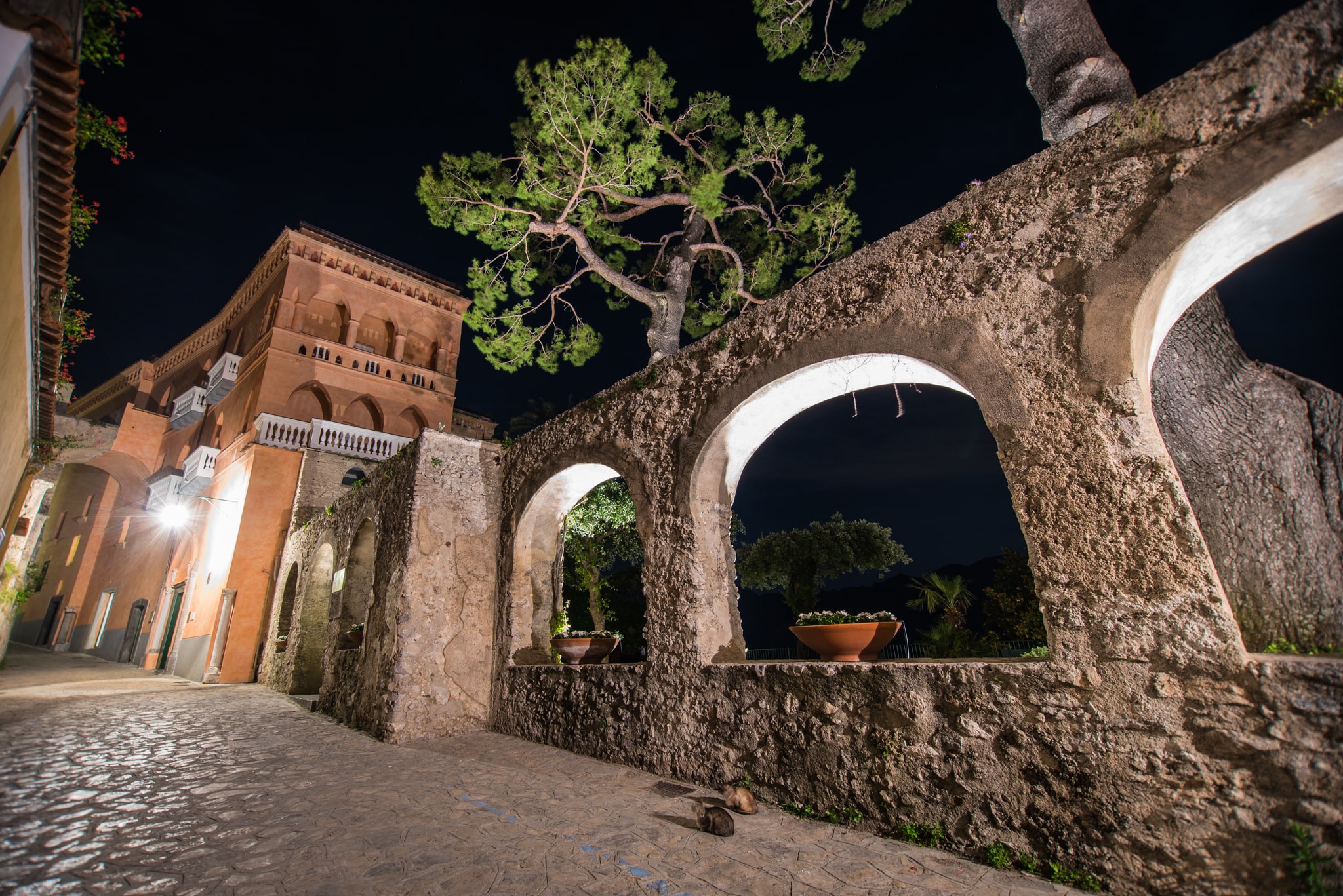
Villa Rufolo
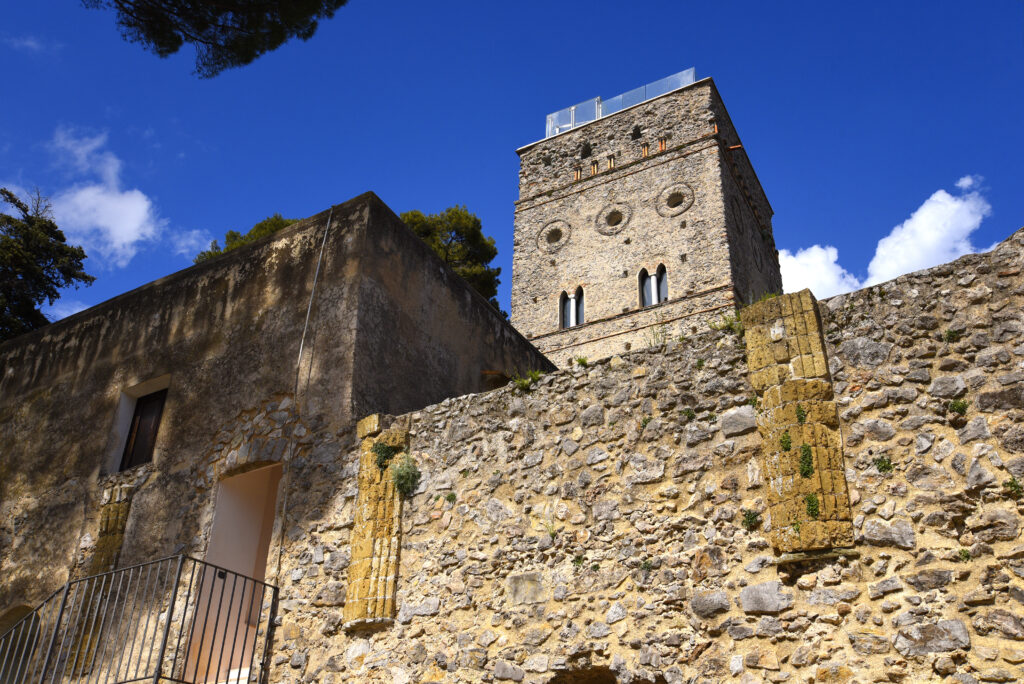
For over two centuries, the Rufolo family represented the symbol of the economic and political power of medieval Ravello, only to decline in the brief thirty-year period from the mid-13th century to 1285, when they were completely ruined for having sided against the Angevins during the Sicilian Vespers.
At the beginning of their family’s golden age, they built a “house”—a symbol of their social status—which was intended to be grandiose, princely and opulent. By blending Arab and Byzantine architectural and decorative styles with elements of local culture, they found the perfect language to express their power.
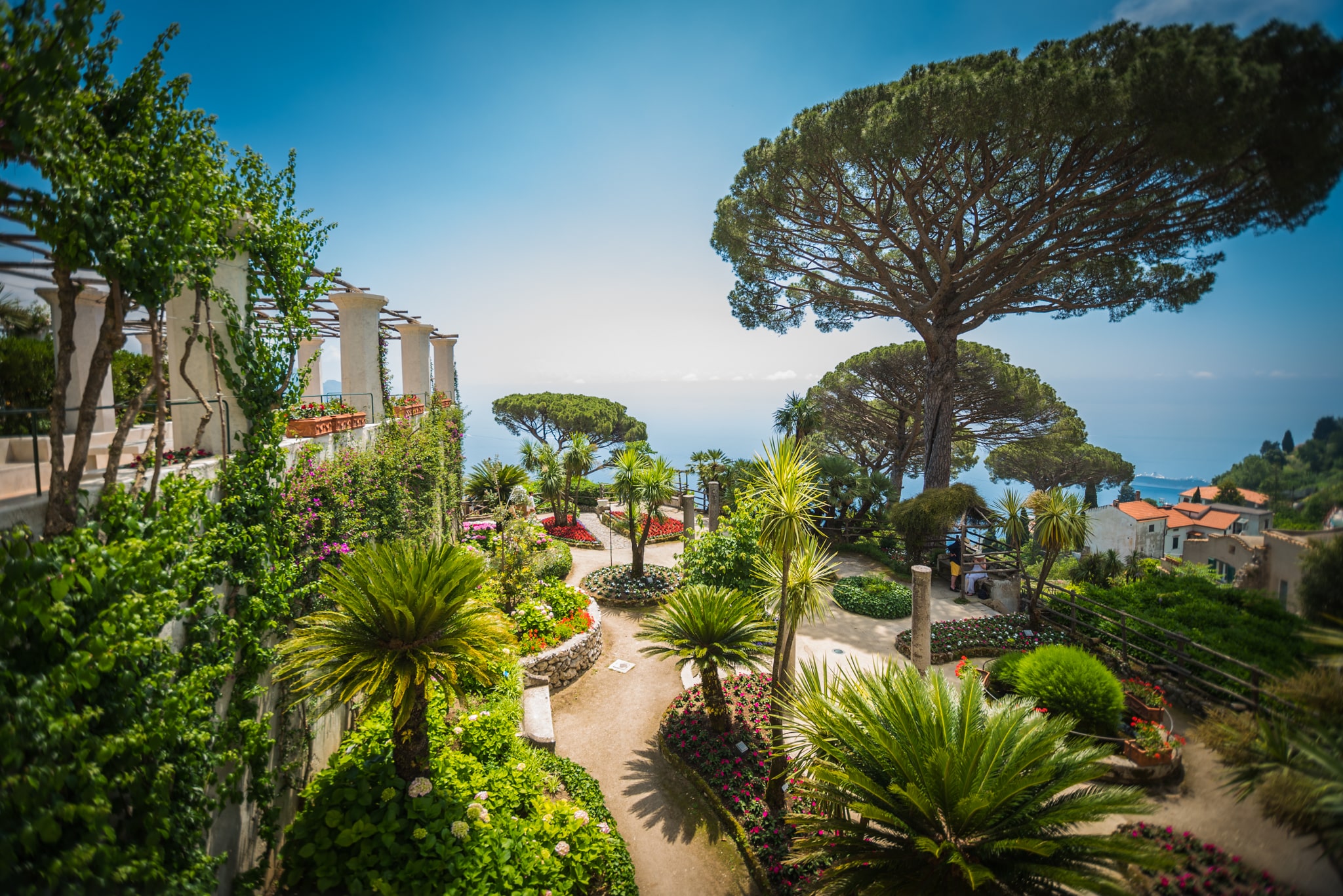
During their most fervent period, Boccaccio likely met the Rufolos directly and stayed at their home; it is likely that “the palace with a beautiful and large courtyard in the middle and with loggias and rooms and with marvellous gardens” was actually the garden of Villa Rufolo, while the reference to the family is direct in the famous story dedicated to Landolfo Rufolo.
Life in medieval Ravello followed the decline of coastal life, linked to the decline of the Amalfi Republic. The Rufolo family, fallen into ruin, was forced to dismember its properties. The villa passed by right of succession to the Confalone and Muscettola families, and subsequently to the D’Afflitto di Scala in the 18th century. The latter made a great effort to make the palace habitable, but the destruction of many valuable elements caused much of the residence to collapse.
By the mid-19th century, the palace was in ruins and only partially retained its original appearance, which had been altered after the decline of the famous lineage. A Scottish lord, Sir Francis Nevile Reid, decided to purchase it despite the residence’s uninhabitability. This man of great culture restored the building and rearranged the garden terraces, creating the masterpiece that prompted Wagner to exclaim: “The magic garden of Klingsor has been found.”
Reid brought to a close a happy period in the villa’s history. After his death, the villa was once again dismantled by his heirs and the furnishings sold. In 1974, the private property, not yet annexed to the public domain, was purchased by the Salerno EPT (Provincial Tourist Board).
The EPT managed the villa until 2007, when its management was entrusted to the Ravello Foundation.