Digital platform for the archaeology, history, and territory of the Amalfi and Sorrento coasts.
- 2020–present
in collaboration with the Archeo&Arte3D Lab of the DigiLab Interdepartmental Research Center – Sapienza University of Rome
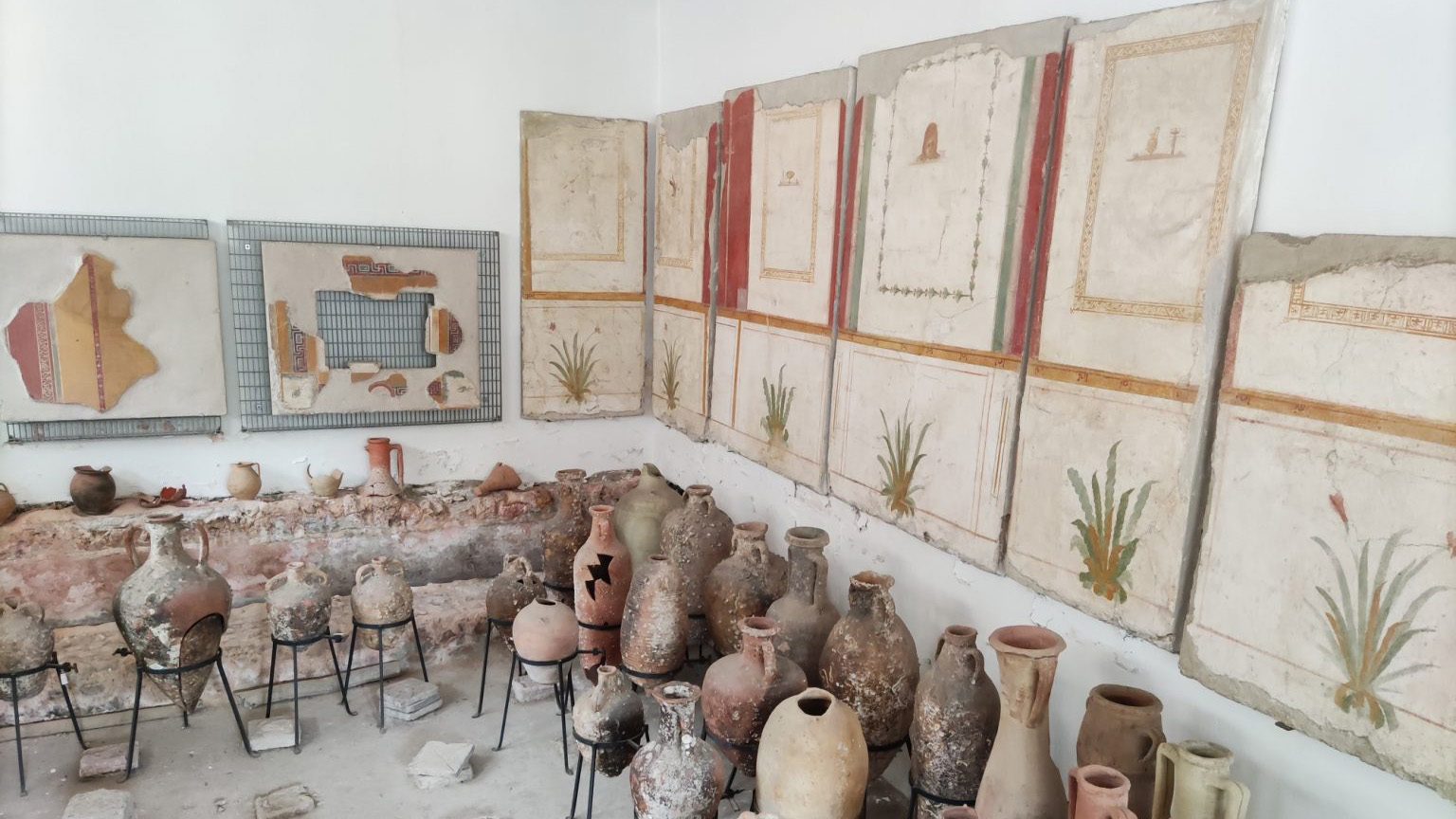
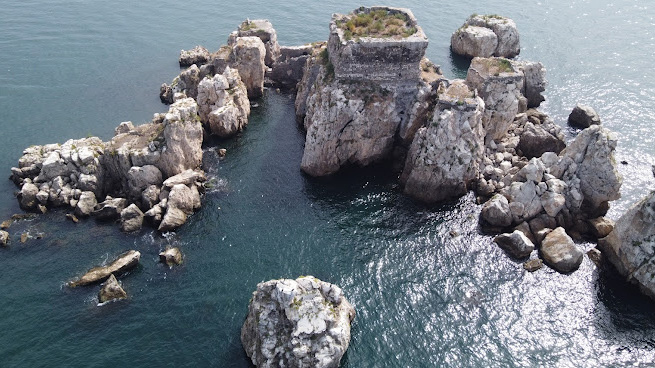
P.A.S.T. in Coast—a digital platform for the archaeology, history, and territory of the Amalfi and Sorrento coasts—is a project dedicated to the archaeological study of the Monti Lattari area, the high mountain ridge forming the backbone of the Amalfi and Sorrento coasts as well as the island of Capri.
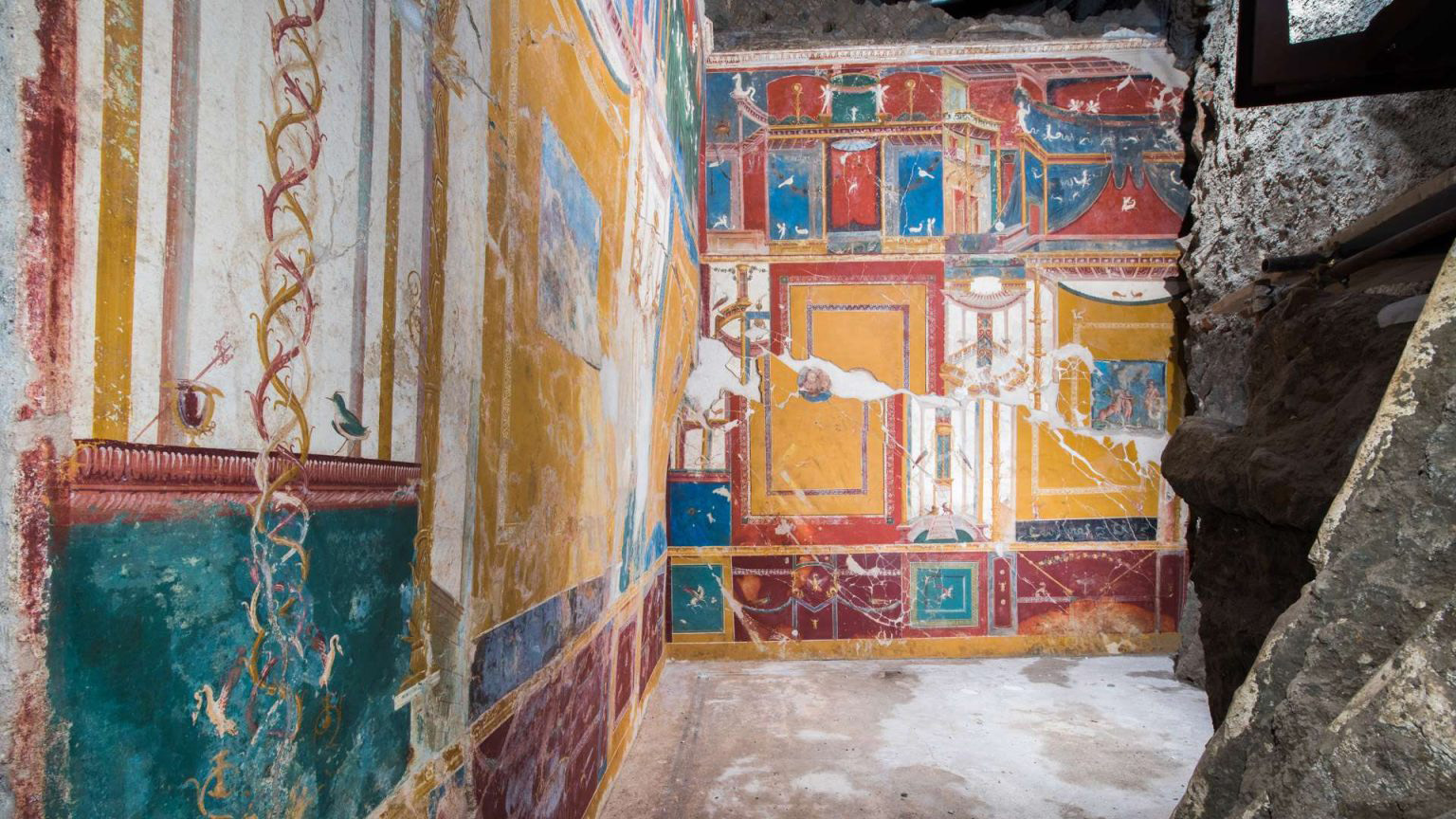
The project, initially focused on the Amalfi Coast and aimed at understanding the specific settlement patterns that developed there during early and late prehistory, subsequently expanded to include the Sorrento area and the island of Capri, as well as later periods—ranging from the Roman era to the Middle Ages—with the ambitious goal of organizing and making accessible to a broad audience the existing knowledge regarding the archaeology and history of this region.
The complexity of this area—characterized by exceptional natural and geo-environmental features and containing numerous archaeological remains that are often not readily visible—necessitated the use of a GIS platform alongside traditional analytical methods (such as surface surveys, archival research, and material analysis) to compile all available historical-archaeological and spatial data into a single database. Among other benefits, this tool—through an integrated approach combining various technologies and communication methods—offers opportunities to enhance public access, promote the site’s value, and disseminate information, thereby raising awareness among a broader audience about topics that are sometimes little known.
The project, structured in its current form since 2020, is sponsored by the Superintendency of Archaeology, Fine Arts and Landscape for the provinces of Salerno and Avellino, and benefits from the collaboration of the European University Centre for Cultural Heritage in Ravello and the Archeo&Arte3D Lab of the DigiLab Interdepartmental Research Centre at Sapienza University of Rome.