International Cooperation on the Protection of Underwater Archaeological Heritage
Knowledge of Cultural Heritage
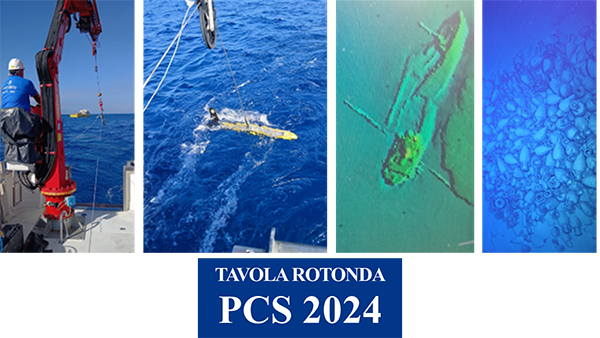
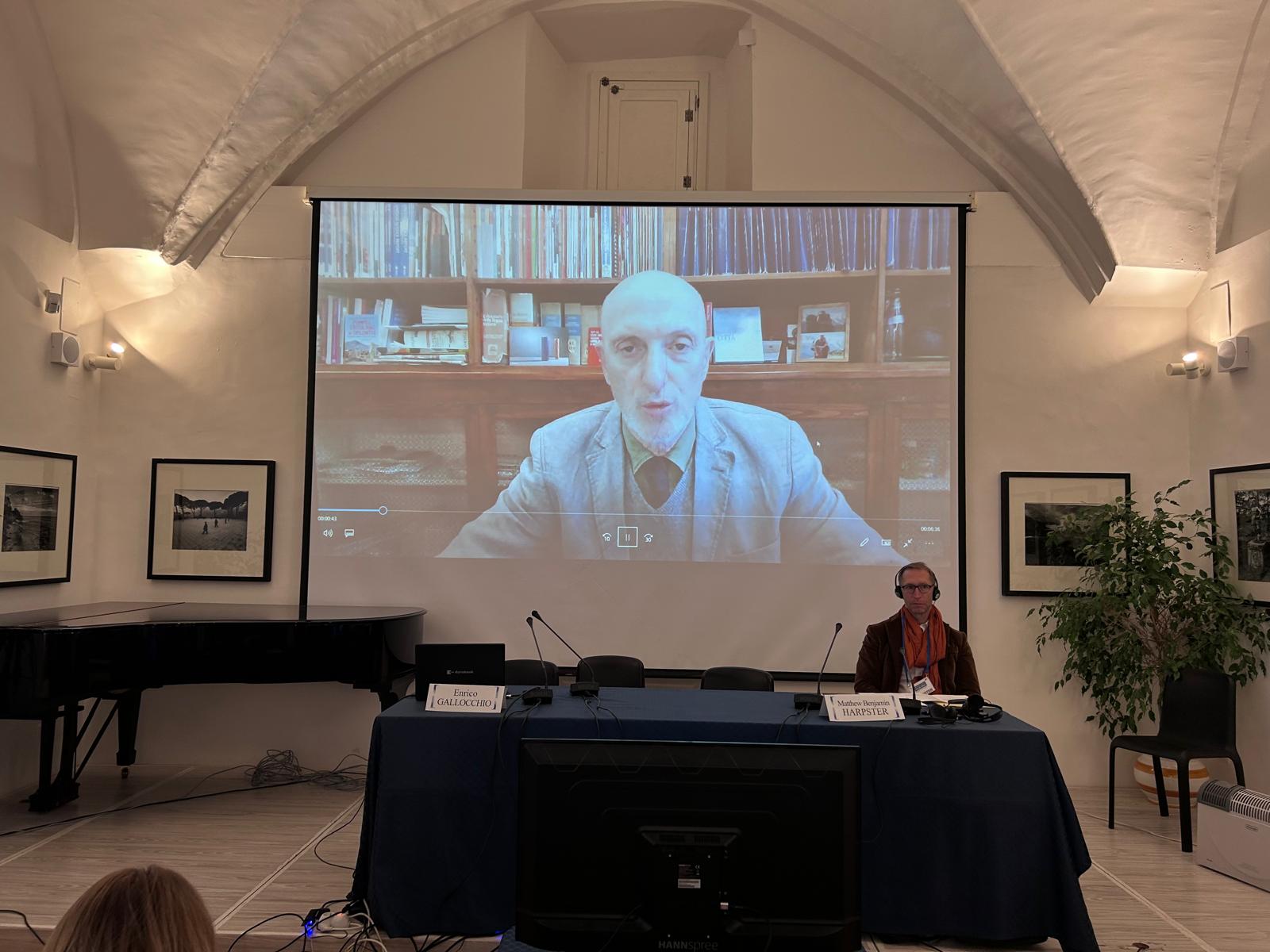
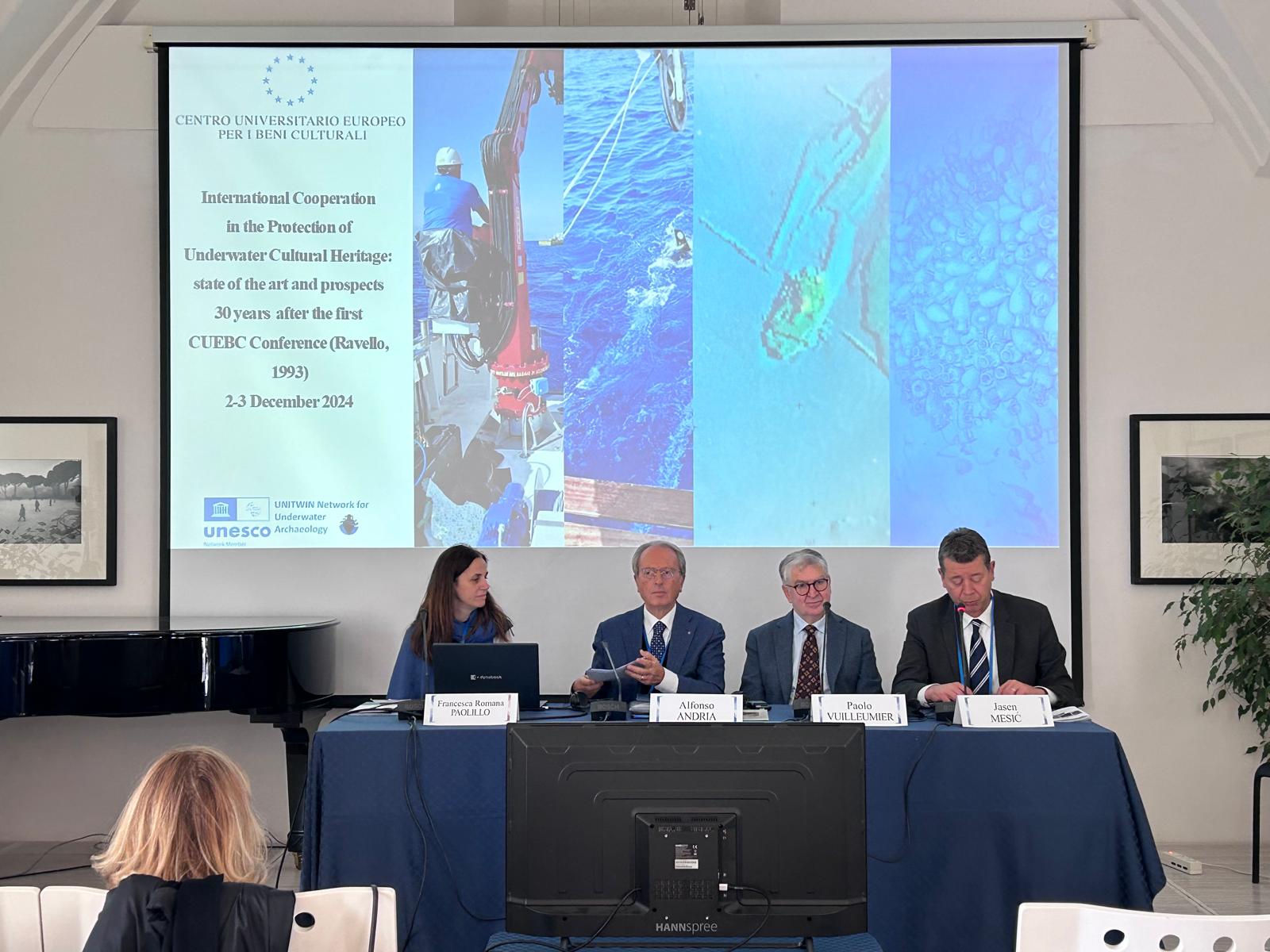
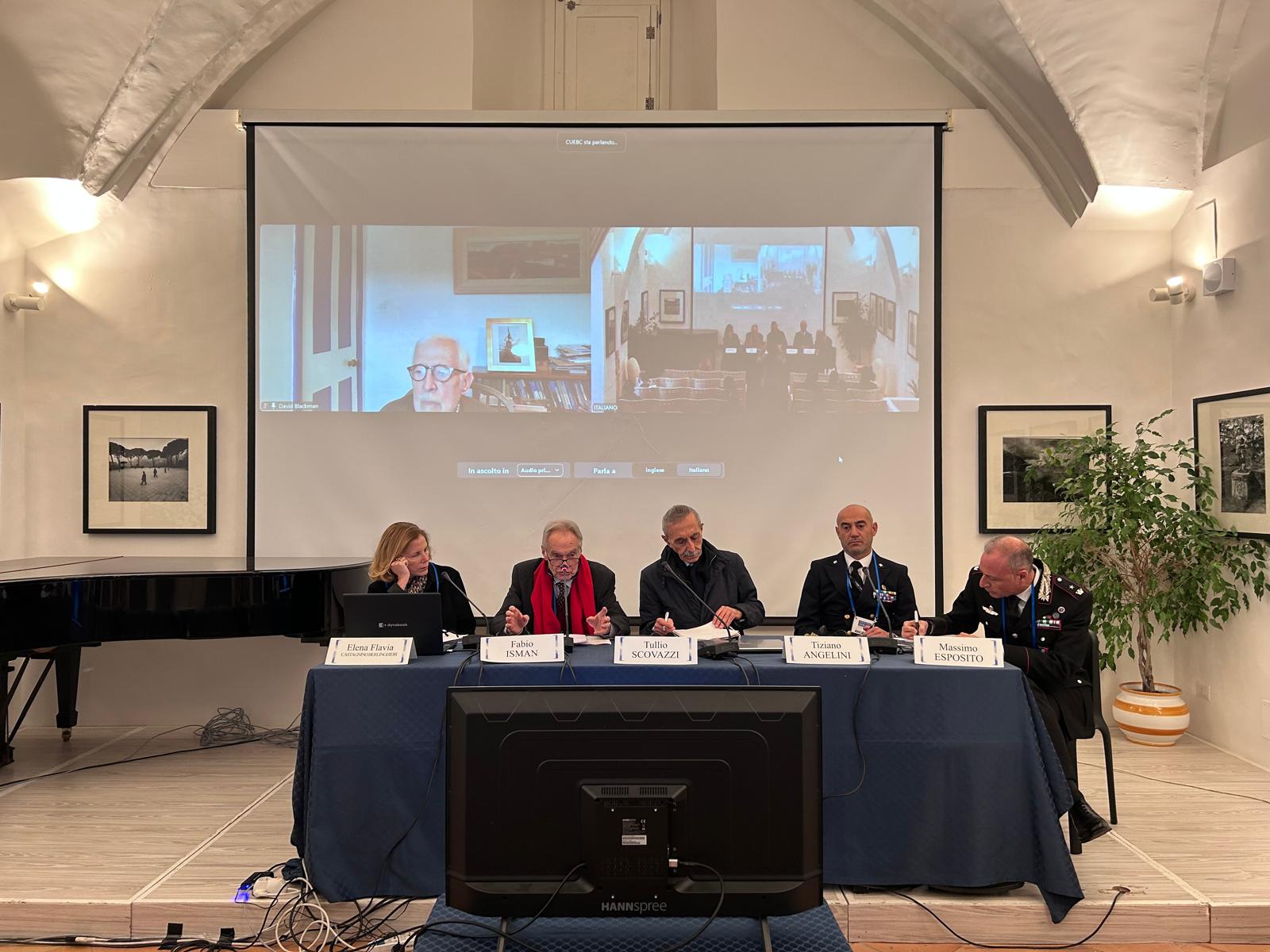
Round Table on International Cooperation for the Protection of Underwater Archaeological Heritage: State of the Art and Future Prospects 30 Years after the First CUEBC Conference
- December 2–3, 2024
In collaboration with the National Superintendency for Underwater Cultural Heritage (MiC), the UNESCO UniTwin Network for Underwater Archaeology, ICOMOS, and the Carabinieri Command for the Protection of Cultural Heritage
The Convention on the Protection of the Underwater Cultural Heritage, along with its 2001 Annex, constitutes the cornerstone of international law for the protection of this heritage. The Round Table aimed to build upon the historical continuum of the first CUEBC Conference, organized at Villa Rufolo in Ravello (‘The Protection of Underwater Archaeological Heritage’, 27–30 May 1993). Recognizing the importance of the Convention’s principles and retracing the transformation process of underwater cultural heritage, it proposed to promote a broader awareness of it and to provide a solid foundation for further negotiations on a matter of common interest to all Mediterranean countries.
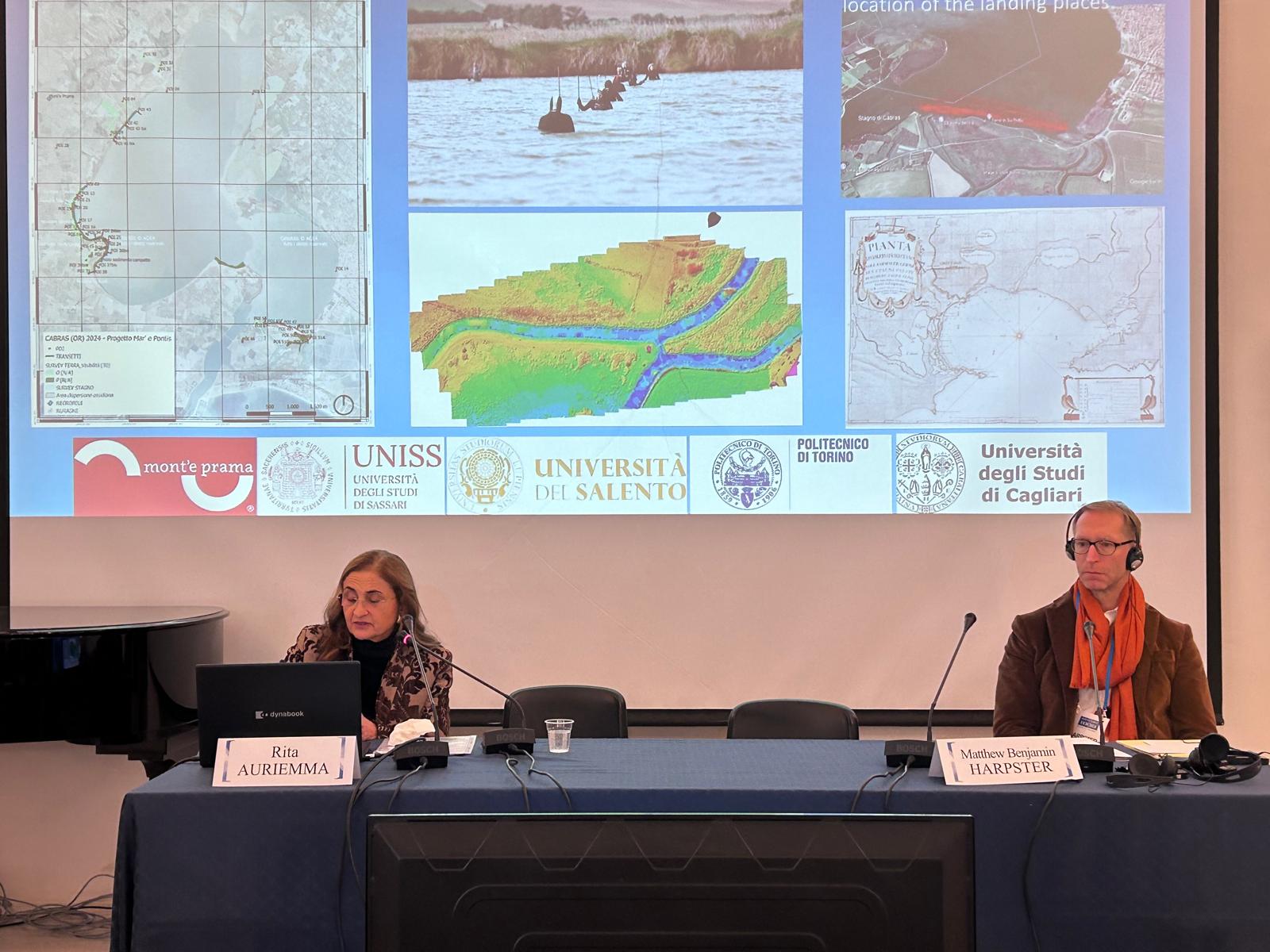
Promoted by the European University Centre for Cultural Heritage (CUEBC) — also in its capacity as an ‘Observer member’ of the UNESCO UniTwin Network for Underwater Archaeology — the round table aimed to share policies, challenges, and difficulties, as well as to identify gaps or opportunities for collaboration, involving representatives from various countries, whether or not they have ratified the Convention. Among the countries represented, in addition to Italy, were Bulgaria, Croatia, Montenegro, France, Greece, Malta, and Turkey. Among the best practices illustrated during the proceedings, it is worth highlighting the research conducted on the Amalfi Coast since 2016 by an international team to define its maritime cultural landscape and understand humanity’s changing relationship with the sea.
Furthermore, particular attention was paid to the commitment to combating criminal networks involved in the trafficking and recovery of illicitly exported cultural property, as highlighted by Commander Massimo Esposito of the Carabinieri Command for the Protection of Cultural Heritage and Commander Tiziano Angelini of the Interministerial Relations and Territorial Coordination Office of the Italian Navy General Staff, both of whom participated in the proceedings.