Heartstrings
Culture as a factor of development
Strumming the heartstrings: A journey through the hidden treasures of Ravello—art, nature, and human endeavor.
- October 1, 2013–April 30, 2014
The project was promoted by the Municipality of Ravello’s Department of Environment and Agriculture, with the support of the European University Centre for Cultural Heritage, and funded under the Campania Region’s ERDF Operational Programme (Objective 1.9).
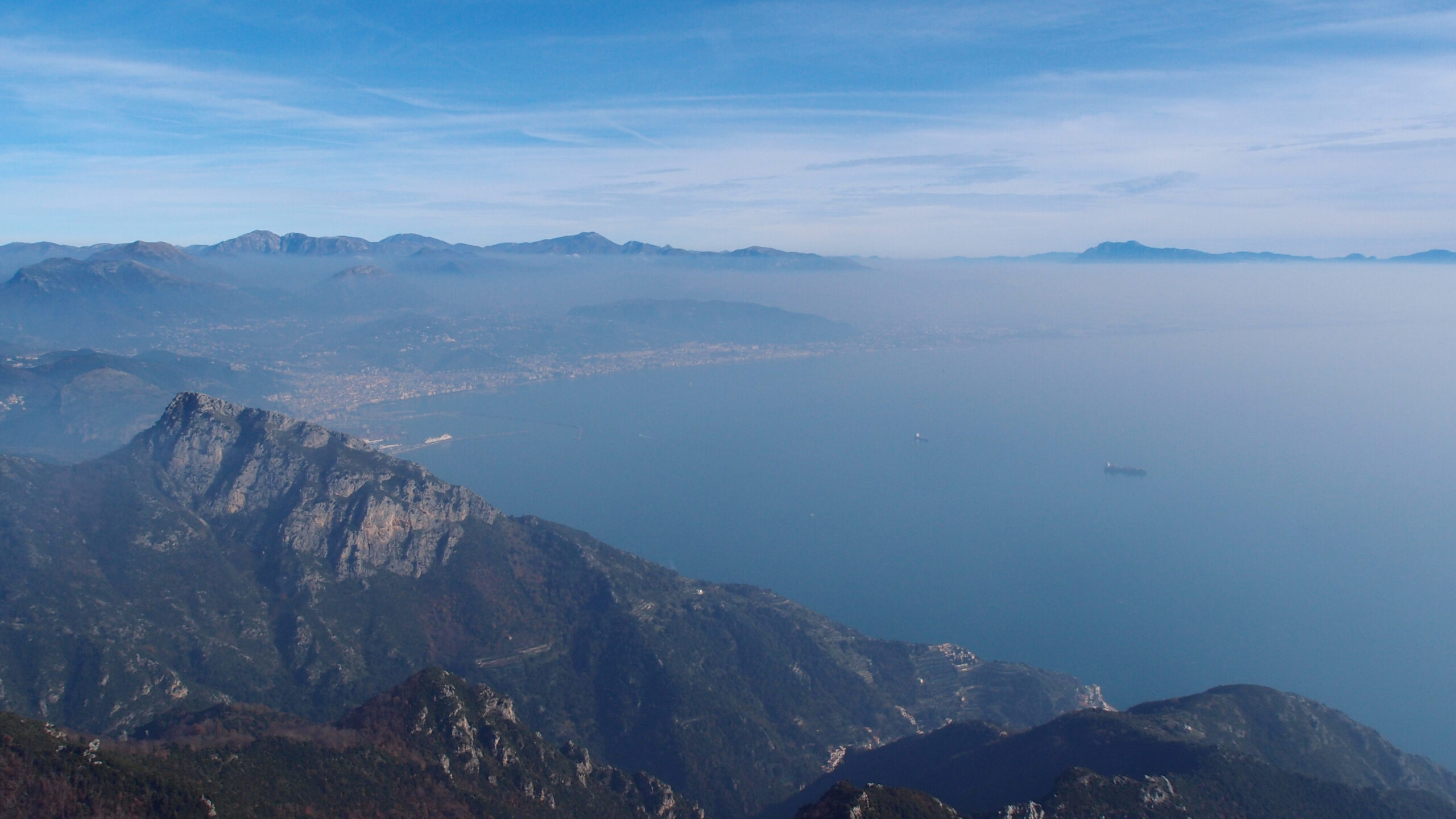
The Municipality of Ravello, along with the entire Amalfi Coast, is designated by UNESCO as a World Heritage Site. This recognition stems particularly from the centuries-old relationship between the landscape and human activity; within a unique topographical setting, people have derived everything necessary for their existence and livelihood from the land. While the territory’s distinctive geography enhances its qualities, it also exacerbates its fragility and the need for constant maintenance.
This human-nature relationship is currently being challenged by shifting lifestyles and mindsets—trends increasingly driven by the globalization of interests and rapid change. A similar issue affects the Amalfi Coast’s tourism model; it is ill-suited to superficial mass tourism, relying instead on a “slow tourism” approach that respects the area’s unique local character. The foundation and driving force of this model is the richness of the territory’s overall offering, which combines sites of immense historical and cultural significance with distinctive food and wine products, as well as cultural events and activities rooted in a living local heritage. However, this model requires constant nurturing, and great care must be taken regarding the condition of the sites themselves; to serve as genuine tourist attractions, they must maintain a high level of quality and appeal. Unfortunately, the so-called “cultural industry” often pushes for the excessive “spectacularization” of culture, at the expense of the fundamental work of research, conservation, and heritage management—activities that truly drive the serious, long-term development of sustainable tourism. It is the sites of cultural interest—those linked to the community’s deepest history—that create the location’s unique identity and bear witness to the interaction between the inhabitants and the land, offering immense evocative power.
The project “Playing on our Heartstrings: A Journey Through the Hidden Treasures of Ravello—Art, Nature, and Human Labor” has produced:
- a redevelopment project (safety measures) of the area of the Monastery of the Most Holy Trinity, owned by the Municipality of Ravello,
- minor micro-maintenance and/or cleaning of access points to the locations.
In addition, the following were organized:
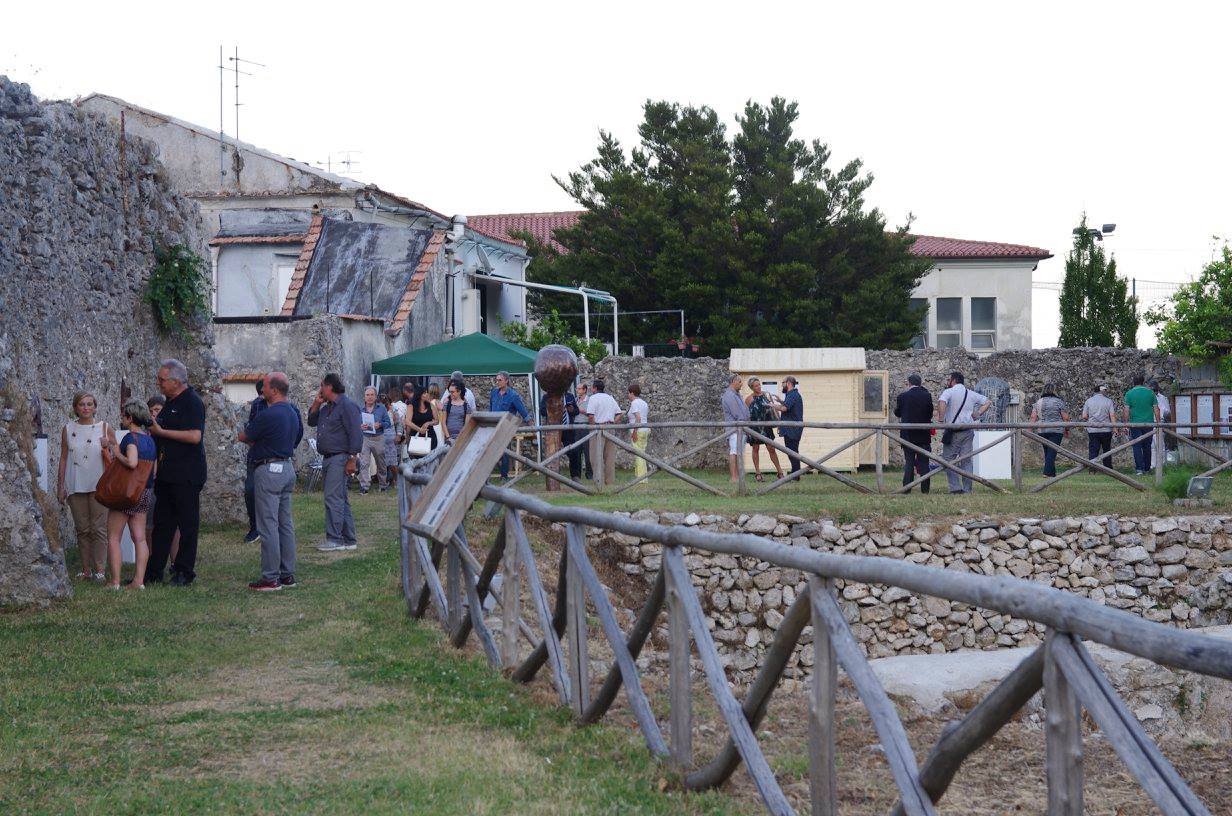
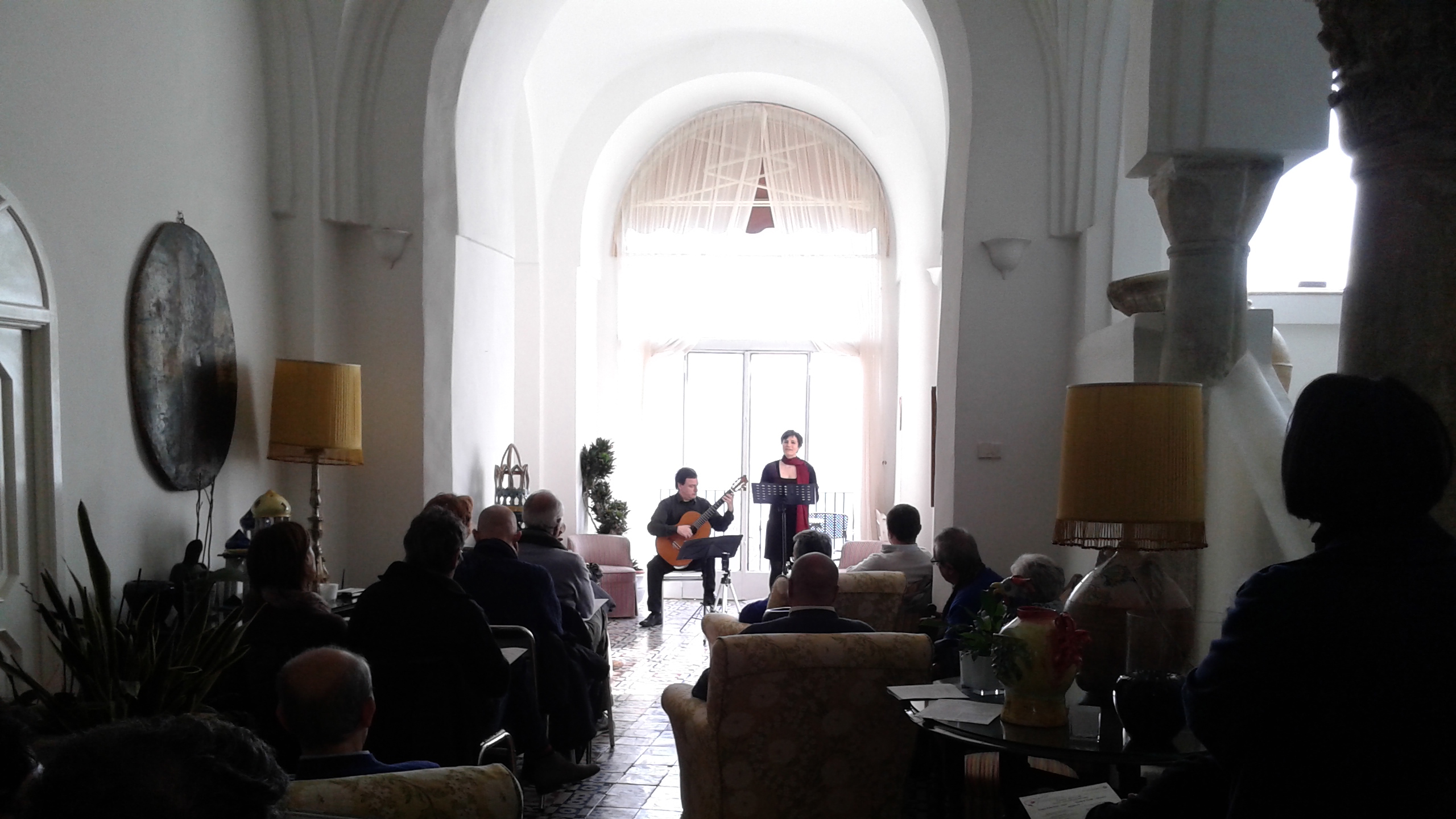
- A concert series held at the Monastery of the Holy Trinity, the Church of Madonna della Pomice, the Chapel of Santa Maria delle Grazie in Paradiso, the Church of Madonna della Rotonda, the Church of San Trifone, the Convent of Santa Chiara, the Church of San Michele Arcangelo in Torello, the Church of Castiglione, near the Sanctuary of Saints Cosma and Damiano, at the Principessa di Piemonte Belvedere, and at the churches of Annunziata, Madonna dell’Ospedale, Santa Maria a Gradillo, Santa Maria delle Grazie, and San Pietro alla Costa, as well as on the terraced slopes surrounding Ravello—all locations within the Municipality of Ravello boasting significant cultural and natural appeal, yet currently excluded from standard tourist itineraries.
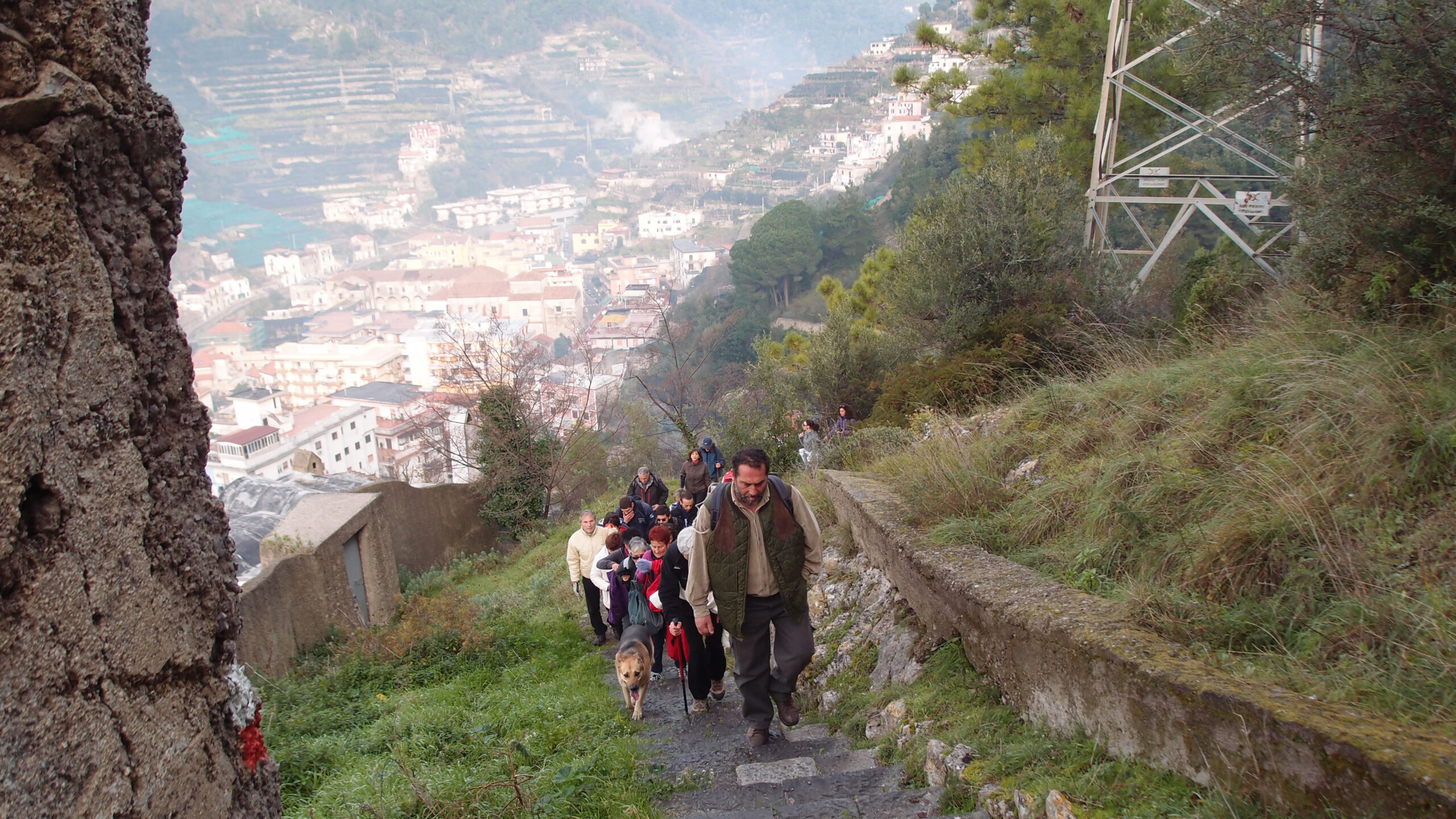
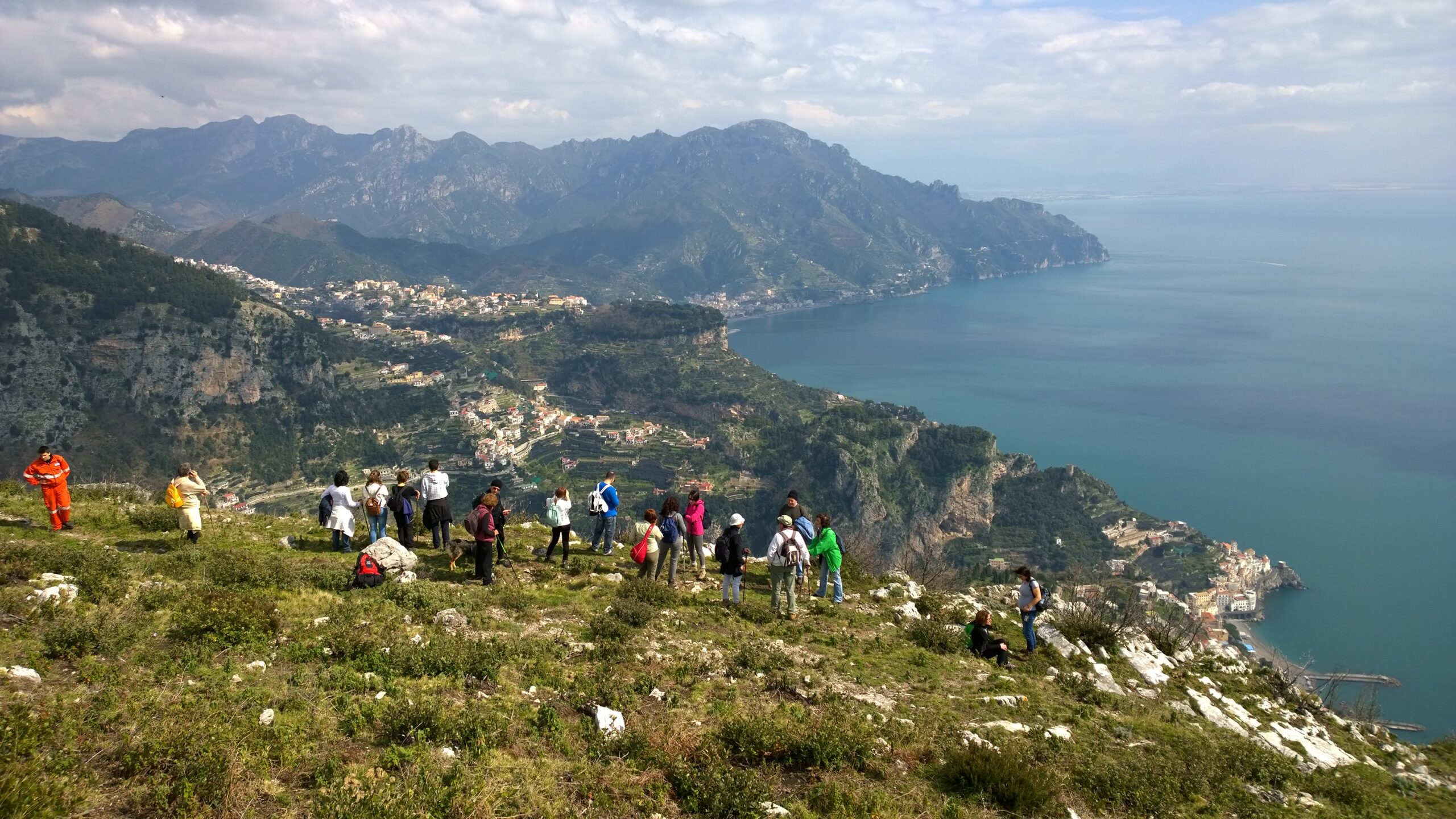
- A series of themed excursions along mountain trails and ancient footpaths connecting Ravello and the coast;
- Workshop on the construction and maintenance techniques for the terracing that defines the landscape of the Amalfi Coast—a landscape renowned worldwide;
- workshop on techniques for retaining pumice—used by local inhabitants for centuries—during hikes along mountain trails;
- Convivial moments near farmers’ gardens—celebrating the frugality of peasant traditions—or in the mountains with the shepherds who still uphold them;
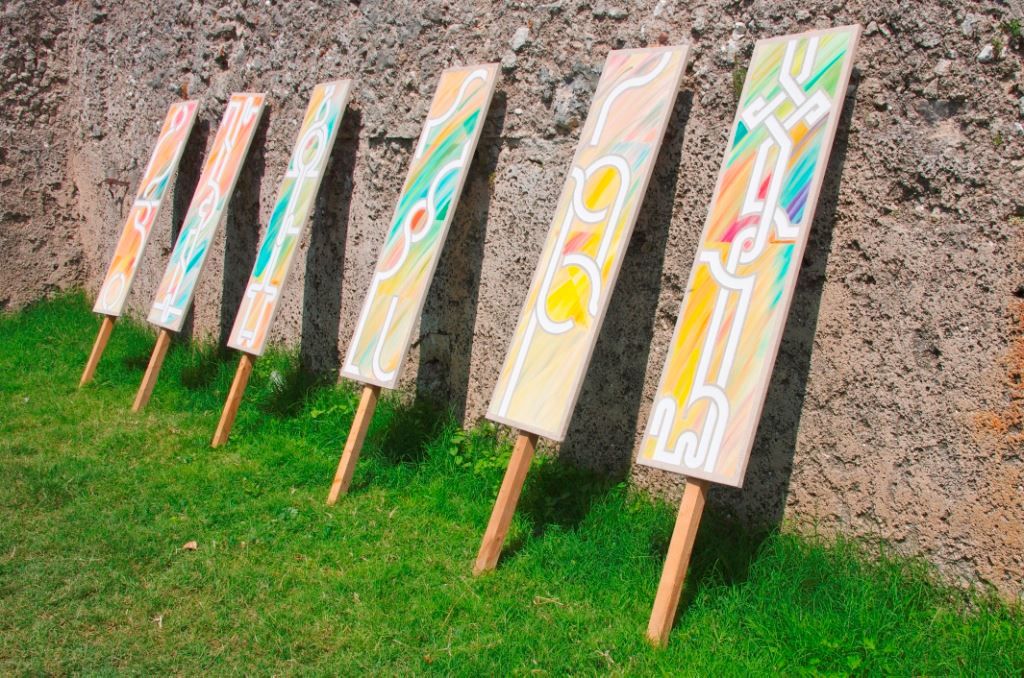
- Local art workshops (ceramics and stone sculpture)
More specifically, the event series featured 20 guitar recitals (which inspired the project’s title) held at selected venues, offering tourists the chance to visit churches, squares, and natural sites in Ravello that are lesser-known to the general public yet rich in cultural and natural value. Concert-goers were invited to reach the venues via short guided walks. Additional guided excursions were organized for the day before the concerts to expand the range of nature-focused itineraries on offer.
Ultimately, the excursions, shorter walks, and discovery of little-known or “hidden” churches and monuments—alongside chestnut gathering, moments of simple hospitality in gardens, art classes, and workshops on maintaining dry-stone walls and fences—aimed to reveal the “heart” of Ravello to tourists; at the same time, and aided by the musical events, they aspire to touch the “heartstrings” of those who choose to participate.
Ravello thus retains its identity as a city of music—though this time with a musical offering that breaks the mold of conventional venues—enriched by facets with high tourism potential, such as the charm of the setting, the seclusion away from crowded areas, the enjoyment of local flavors, the farmers’ work in maintaining the terraces, and creative craftsmanship. All these elements represent the defining characteristics of the area that this project aims to showcase and promote.