Tech4Heritage 2025
Tools and methods for cultural policies
Advanced solutions for the conservation and valorisation of cultural heritage
- 20-25 October 2025
with the support of PA Foundation
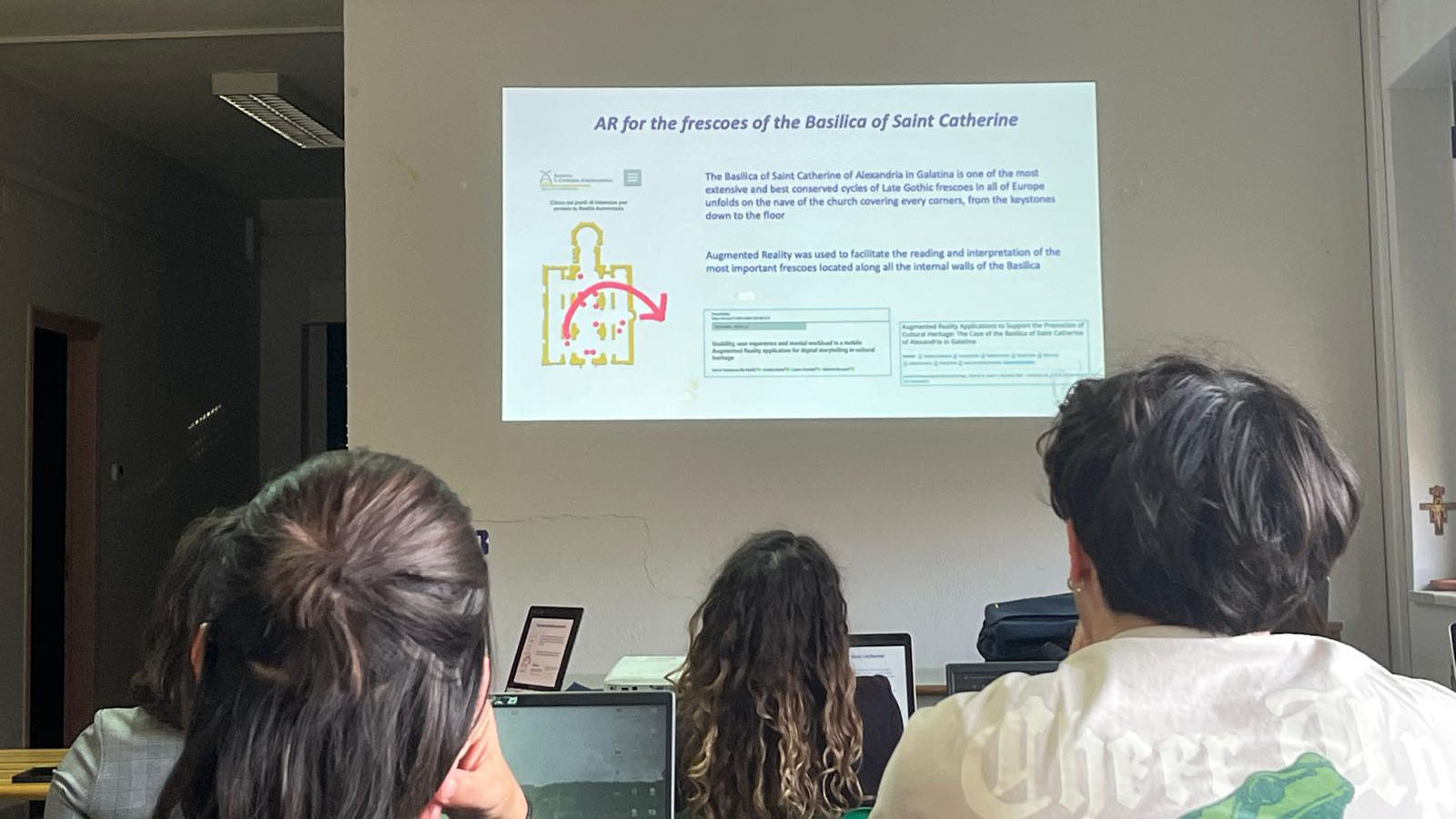
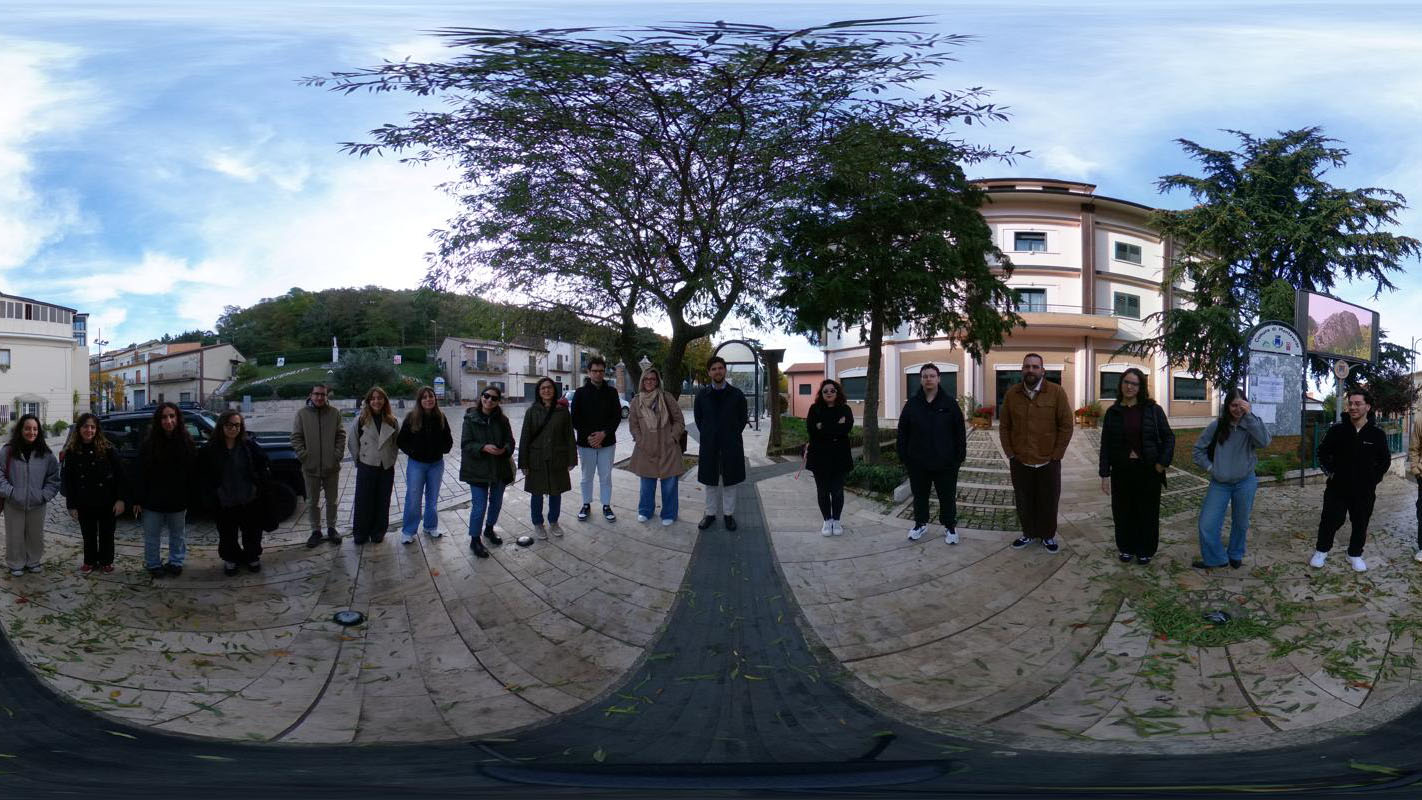
The ‘Tech4Heritage’ Summer School, which took place from October 20 to 25, 2025, between the municipalities of Monteverde (AV) and Ravello, was an intensive training program dedicated to the role of technology in the management and enhancement of cultural heritage. The course originated from the collaboration between the University of Salento and the European University Centre for Cultural Heritage (CUEBC). It was structured as an interdisciplinary workshop where professors and industry professionals from various fields shared methods, tools, and visions with students to imagine new forms of protection and promotion for cultural heritage, with a particular focus on inland villages. Hence the collaboration with the Association of the Most Beautiful Villages in Italy (I Borghi più Belli d’Italia), which saw the training project as an initiative aimed at developing professionals capable of contributing to the enhancement of its member villages. During the four days of activities, the program alternated specialized lectures, practical exercises, and field exploration, with the aim of building a shared and innovative approach to the tangible and intangible heritage of the territories.”
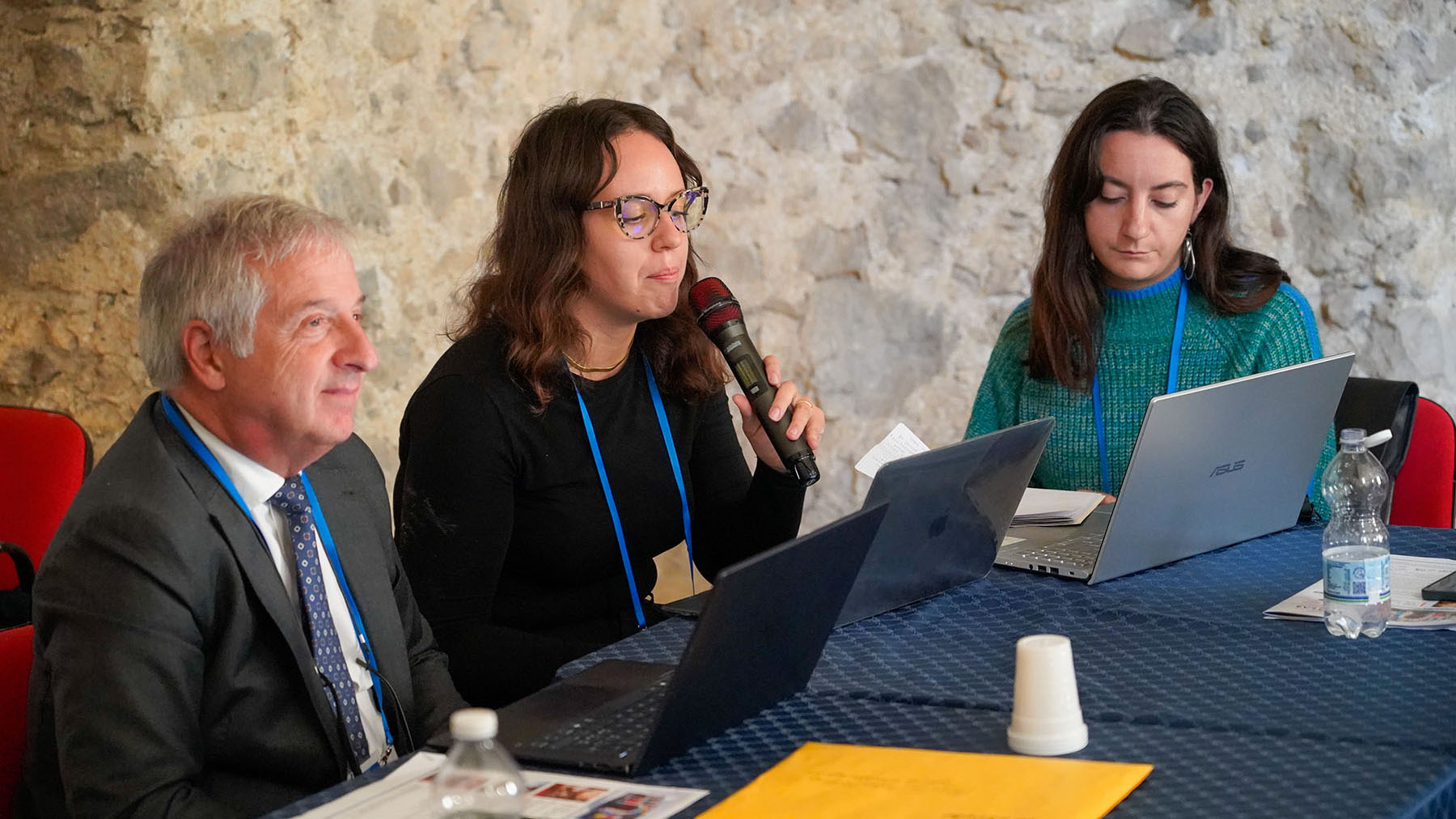
The training program concluded with the participants attending the 20th edition of Ravello Lab 2025 (October 24–25). This international forum is held annually on the Amalfi Coast and was dedicated this year to the theme ‘Tourisms&Cultures for the Regeneration of Places‘. Joining Panel 1, titled ‘The Italy of Small Villages and Inland Areas‘, the students actively contributed to the discussion on future development scenarios for inland territories. They presented the results of the activities carried out in Monteverde and shared the experience and perspective gained through the project practices tested during the Summer School. This participation in the panel resulted in a moment of active discussion with experts, researchers, professionals, local administrators, and representatives of local associations. It also allowed the students to present the reflections developed during their training experience to the panel members, who included experts from the scientific community, institutions, and the non-profit sector.