The Construction of the Rural Landscape: Tangible and Intangible Mediterranean Heritage
Culture as a factor of development
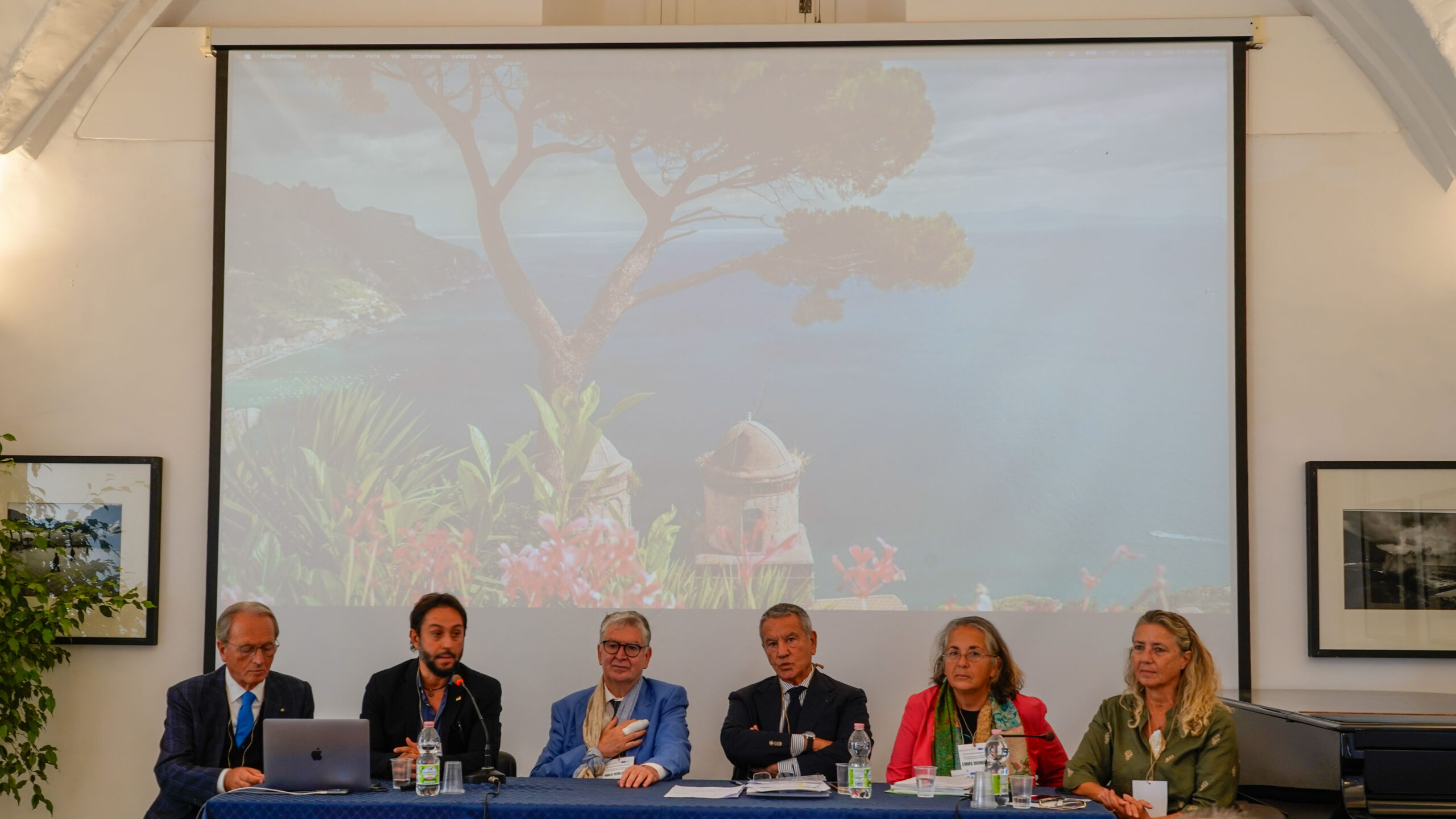
- October 11, 2025
in collaboration with DIARC and CITTAM, University of Naples Federico II
The Mediterranean rural landscape is shaped by a long process of interaction between tangible and intangible elements. On the one hand, tangible heritage manifests itself in traditional architectural structures, ancient irrigation systems, and agricultural infrastructures that bear witness to centuries of adaptation and innovation; on the other hand, intangible heritage is expressed through traditions, orally transmitted knowledge, rituals, and cultural practices that have shaped the identity of local communities. This fusion has not only helped define the face of the territory but has also created a profound bond between humans and the environment. Historical memory, combined with daily experience, makes the Mediterranean rural landscape a unique example of how sustainability and respect for tradition can coexist with innovation, enriching the cultural and natural heritage of the region.
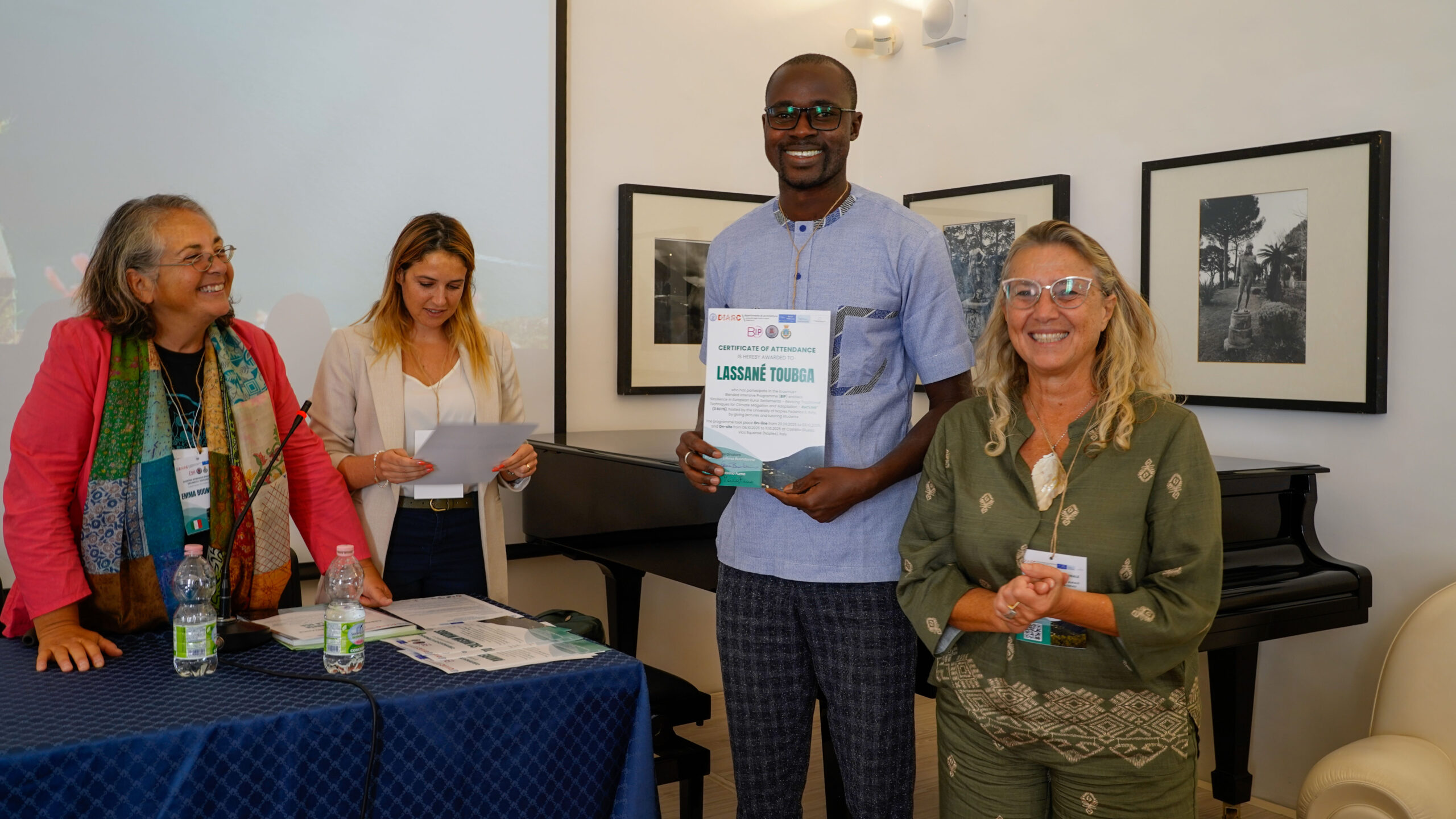
Based on these premises, the Department of Architecture of the University of Naples Federico II, CITTAM (Interdepartmental Research Centre for the Study of Traditional Techniques in the Mediterranean Area), and the European University Centre for Cultural Heritage edited and organized the 7th International Conference on the theme ‘The Construction of the Rural Landscape: Tangible and Intangible Heritages’. The importance of local knowledge and the use of traditional techniques represent indispensable tools for the protection and safety of territories, as well as for the safeguarding of typical traditional crops, thereby combining tangible and intangible cultural heritages for the optimal valorization of rural landscapes. The Ravello Centre is proud to be part of the partnership that has been working on these topics for years, studying the ‘cultural landscapes’ of the Amalfi and Sorrento Peninsulas, and Pisciotta for the Cilento region, as Mediterranean sample areas.